
After nearly a decade of excavation and research, experts from the Chongqing Cultural Heritage Research Institute, using precious materials unearthed from the Yuxi Site, reconstruct the living scenes of Chongqing ancestors 6,300-7,800 years ago.
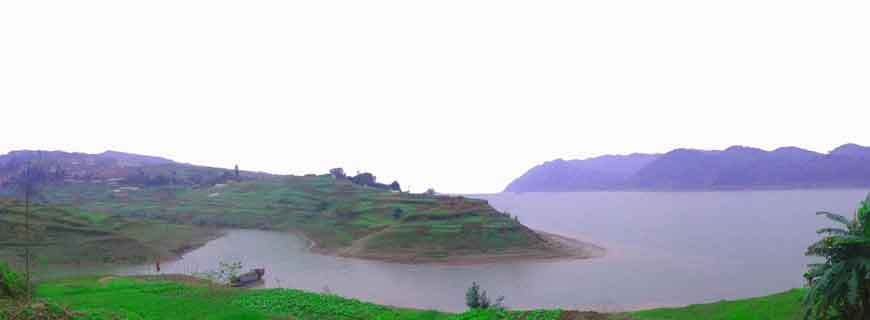
Panoramic view of Yuxi Site
In the third archeological excavation at the site in 1999, archeologists observed a large amount of animal bone debris in the stratum. It was evident that bones of aquatic animals accounted for the majority of the bone debris found in the layer. The bone debris was awfully fine, most of which could not be collected.
Archaeologists systematically collected and identified the animal bones that could be collected and identified 7,755 animal bone specimens belonging to 28 species. Surprisingly, six rhino teeth, belonging to two of the smallest individuals, were found at the site.
Except for domesticated animals, such as pigs and dogs, the rest bones come from wild animals, especially sambars and muntjacs, which are the primary hunting objects of the underclass ancestors in Yuxi. It suggests that these ancestors mainly fed themselves by hunting and fishing, supplemented by livestock breeding.
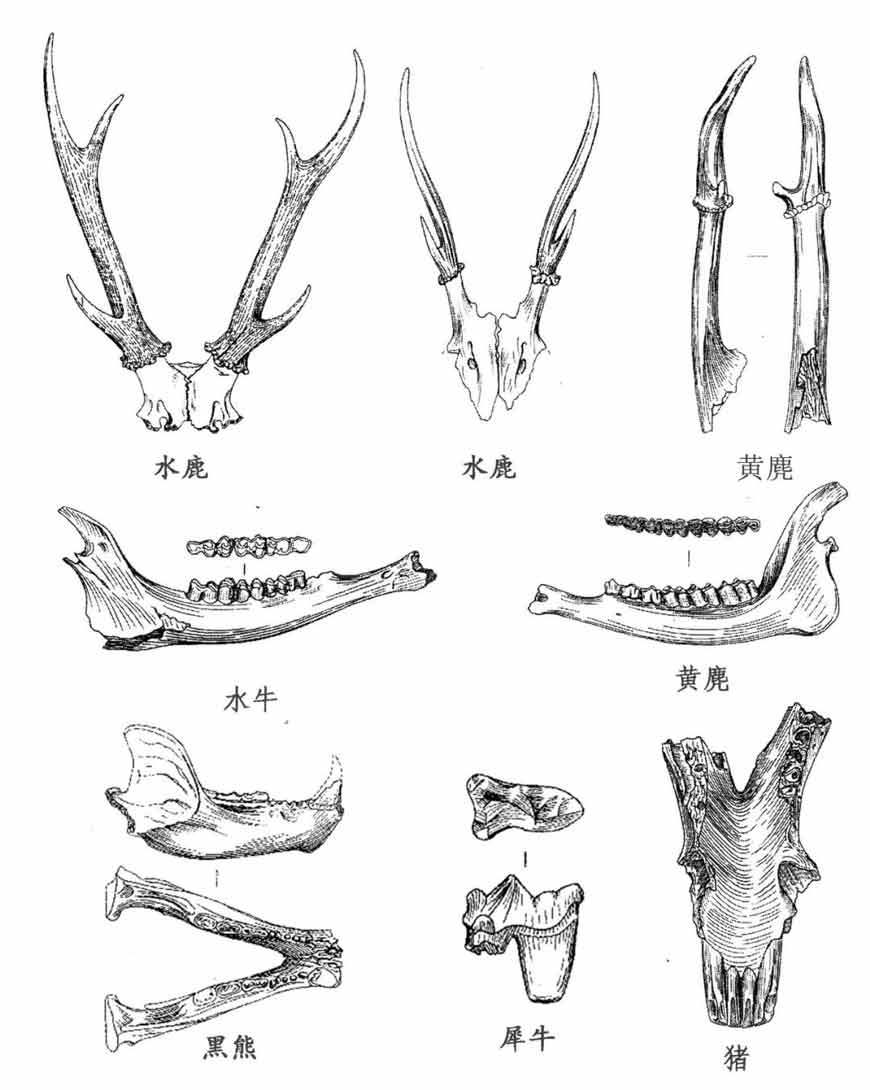
Unearthed animal bones
In the fifth excavation at the site in 2004, the specimens obtained were mainly small animals, including six species of mammals, 16 of fish, six of mollusks, and one of reptile. These specimens, especially the discovery of many fish, indicate that the underclass ancestors here had developed advanced fishing techniques, and took fish as an essential meat resource.
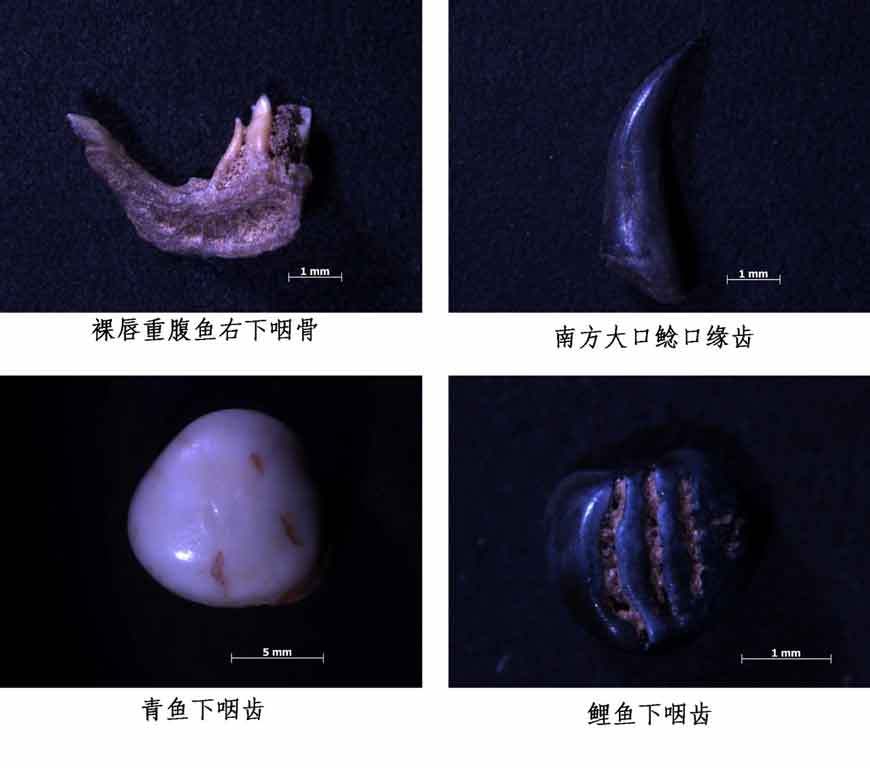
Unearthed fish bones and teeth
However, no crop seeds were found at the site.
Based on the 53 soil samples collected, archeologists carried out a palynological analysis.
The analysis shows that the palynological assemblage about 6,000-7,200 years ago is dominated by arbors and shrubs, followed by herbs, with few fern spores. The pollen of arbor and bush mainly comes from Pinus, Tilia, and Quercus, that of herb mostly comes from Chenopodium and Sagebrush, and that of fern spore mainly comes from Pterisisporites and Selaginella, which are consistent with local relatively moist vegetation conditions.
The discovery of a series of animal remains and plant seeds provides a vital basis for archeologists to restore the climate and environment of the year.
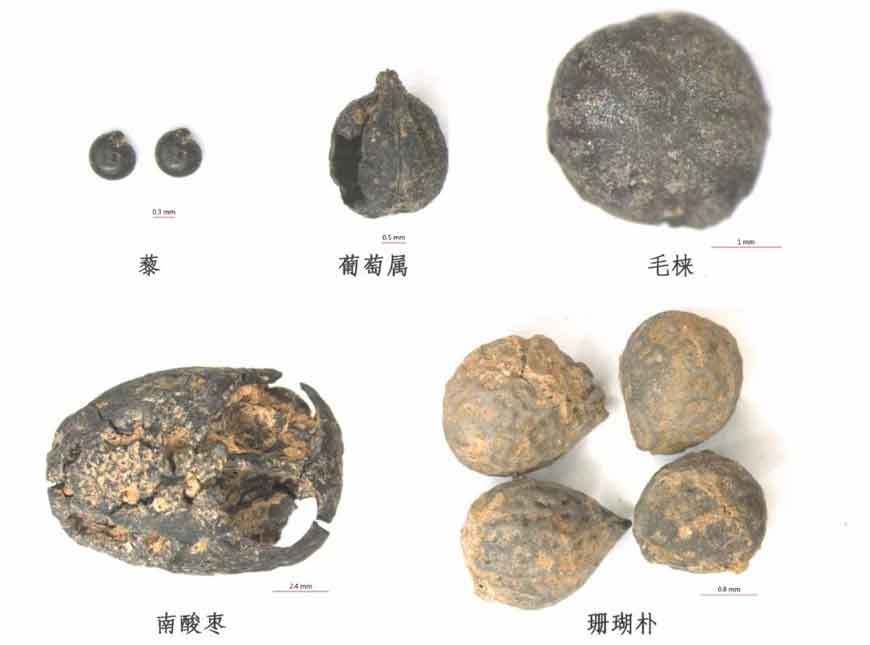
Unearthed plants
Scores of animal species were found at the site, including sambar, macaque, and rhino. Among them, the discovery of rhino amazed archaeologists, because rhinos, which generally live in tropical and subtropical areas, are not a living species in Chongqing. It is self-evident that the climate here was warmer and wetter than it is now.
Combined with age-dating results of animal bones collected in the stratum, geological experts estimate that about 6,300-7,600 years ago, the underclass ancestors here had experienced 11 floods.
When the flood occurred, the area where the site was located was flooded, and the underclass ancestors here had to migrate to areas at a relatively high altitude. When the flood subsided, they moved back to the platform to continue their life.
The underclass ancestors here had to migrate periodically due to periodic floods, thereby forming a landscape of accumulating the cultural layer and flooded river sand siltation layer.
Source: Shangyou News
By continuing to browse our site you agree to our use of cookies, revised Privacy Policy and Terms of Use. You can change your cookie settings through your browser.
For any inquiries, please email service@ichongqing.info