
Chongqing - China's rapidly expanding "lazy economy" is projected to exceed 3.5 trillion yuan (about 501 billion U.S. dollars) by 2025 and grow at an annual compound rate of 12.8 percent, faster than traditional retail, according to data and information provider Zhongyan.
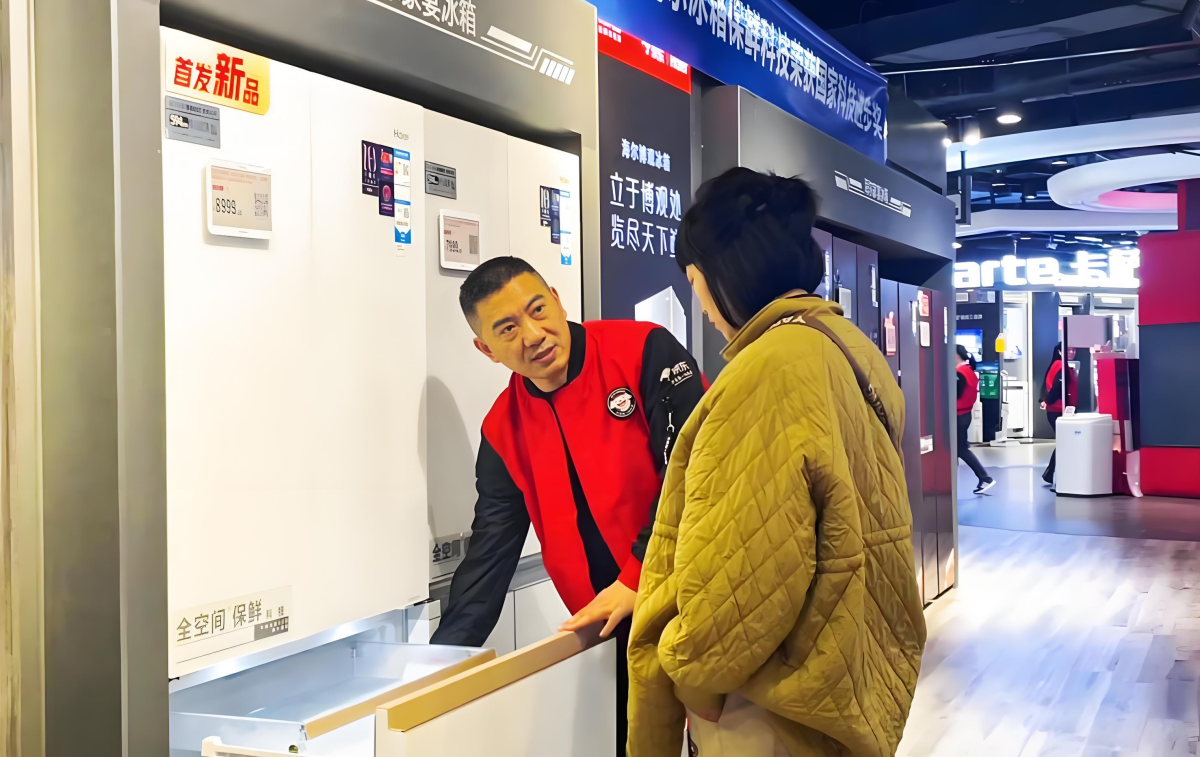
At JD Mall in Liangjiang New Area, staff explain the features of smart home appliances to consumers. (Photo/JD Mall)
The term "lazy" doesn’t refer to passivity but to a new consumer trend driven by technology and labor division, focused on "saving time and effort." Generation Z has turned "spending for convenience" into a common consumer belief.
From smart appliances to door-to-door services, the "lazy economy" is reshaping consumption, production, and daily life, though challenges lie behind its rapid growth.
The rise of smart appliances is a key marker of the "lazy economy." With consumer upgrades and technological progress, winter heating devices have evolved into smart products that meet the demand for "hands-free operation and efficiency," becoming a central part of the trend.
At JD Mall in Chongqing Liangjiang New Area, smart heating devices drew many customers with features like Wi-Fi control and temperature regulation. Sales assistant Li Li noted that since December, sales of heating devices have surged, with smart models making up 65% of sales, far exceeding previous figures. Consumers are now more focused on smart features, energy efficiency, and safety than on power or price.
Online sales have also soared. Pinduoduo, an e-commerce platform in China shows that since November, searches for smart electric blankets in Chongqing have risen by 150% year-on-year, with some models selling out. According to Zhongshang Industrial Research Institute, China’s smart appliance market will reach 793.8 billion yuan by 2025, growing at 15% annually. Smart home appliances are not only enhancing life quality but also driving growth in the appliance industry.
Beyond smart hardware, the "lazy economy" speeds up changes in Chongqing’s service sector, with new services like instant retail and door-to-door cooking emerging, offering consumers more convenience.
In Chongqing, demand for instant retail is high. A Meituan representative explained that, in response to winter demand, the platform launched "Fresh Delivery", offering one-hour delivery in collaboration with local supermarkets. Daily orders in the region now exceed 200,000, with over 60% in the "lazy essentials" category.
Door-to-door cooking services are also gaining popularity. During the New Year, Yuxin Bamboo Private Kitchen in Chongqing fulfilled over ten family banquet orders, selling out before the holiday. Team leader Deng Xilei said sales have been steady at 100,000 yuan per month outside holidays, with projections of 300,000 yuan during the Spring Festival.
Chongqing University Economics Professor Liao Chenglin explained that the fast-paced lifestyle drives demand for "paying for convenience," fueling the door-to-door economy. This shift is turning household tasks into standard or personalized services, connecting homes with professional service networks.
The "lazy economy" is not only opening up new business opportunities but also driving a revolution in efficiency through technology, affecting production, consumption, and employment. However, the sector also faces challenges, such as the lack of standards.
Liao noted that consumer demand has shifted from "owning products" to "obtaining utility," pushing companies to innovate smartly and improve services. This is creating new jobs, refining the division of labor, and forming a new industry chain.
Hu Yangji, Secretary-General of the Chongqing Household Appliance Service Enterprises Association, emphasized that increased investment in smart technologies is driving the industry’s transformation and creating a new ecosystem for household labor.
This transformation is improving employment structures, with growing demand for flexible jobs like smart home appliance technicians. These roles are expanding in Chongqing, helping alleviate employment pressures.
However, there are concerns. Some emerging services face issues like a lack of standards and inconsistent quality. Over-reliance on "lazy" products could lead to a loss of life skills and foster excessive consumption.
Liao advised that consumers should spend wisely, using saved time for personal development and improving life quality. Regulatory bodies and platforms should work together to set service standards, improve credit systems, and guide the "lazy economy" toward quality growth rather than just scale expansion.
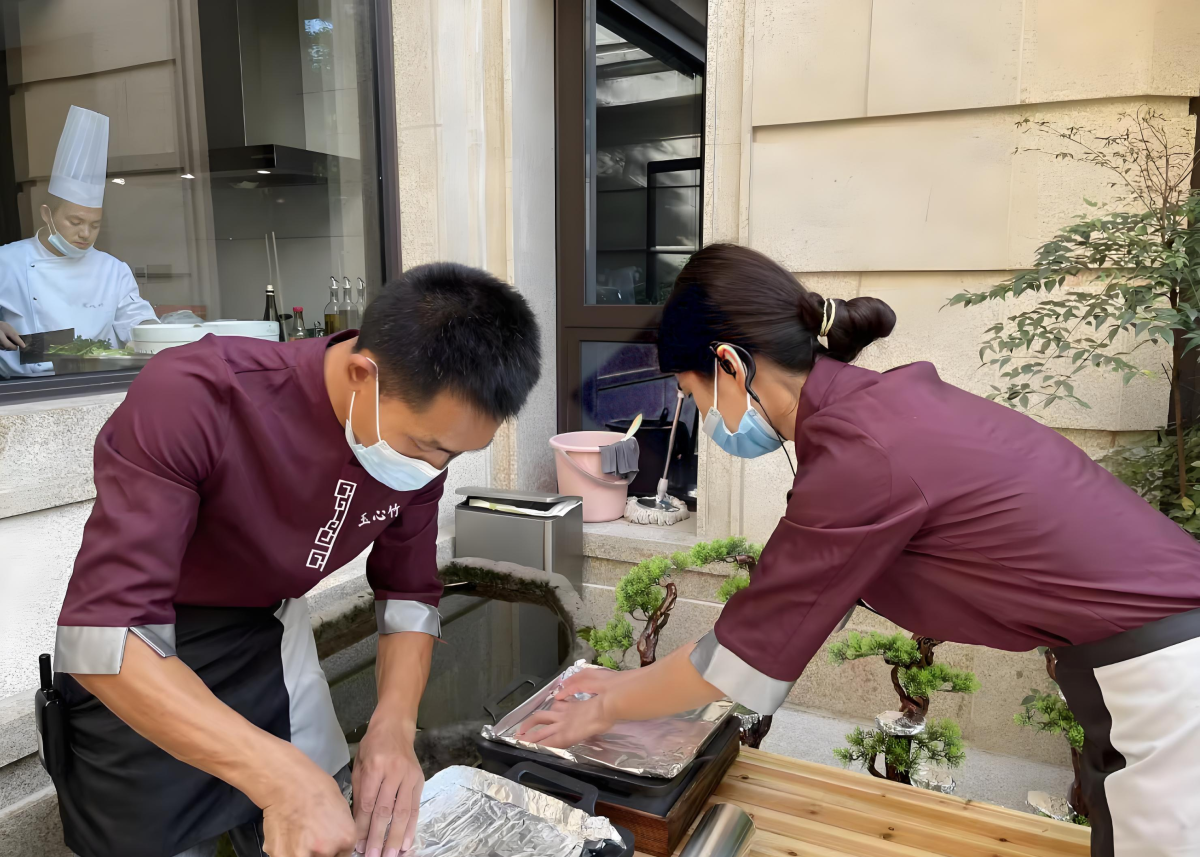
Door-to-door private chefs cook meals for consumers. (Photo/Yuxin Bamboo Private Kitchen)
By continuing to browse our site you agree to our use of cookies, revised Privacy Policy and Terms of Use. You can change your cookie settings through your browser.
For any inquiries, please email service@ichongqing.info