
Chongqing - Bridging News recently spoke with deputies to the Chongqing Municipal People’s Congress and members of the Chongqing Municipal Committee of the Chinese People’s Political Consultative Conference (CPPCC) ahead of the Chongqing Two Sessions. Issues such as autonomous driving, medical foods, and urban renewal are drawing growing attention, highlighting how local lawmakers and political advisers in southwest China turn public concerns into policy action.
In China, local governance is supported by both the people’s congress system and the CPPCC consultation system. Deputies to the Chongqing Municipal People’s Congress perform their duties in accordance with the law by deliberating reports and putting forward motions and suggestions, while members of the Chongqing Municipal Committee of the CPPCC exercise their functions by submitting proposals and participating in political consultation, democratic supervision, and deliberation of public affairs.
Relevant departments handle these motions, suggestions and proposals through standardized procedures, and many are incorporated into policy measures and public services.
Chu Wenbo, a member of the Chongqing Municipal Committee of the CPPCC, has focused his participation on the intelligent connected vehicle sector. As general manager of the Western Science City Intelligent and Connected Vehicle Innovation Center, Chu has long tracked the integration of vehicles, roadside infrastructure and cloud computing - a model known in China as "vehicle-road-cloud integration."
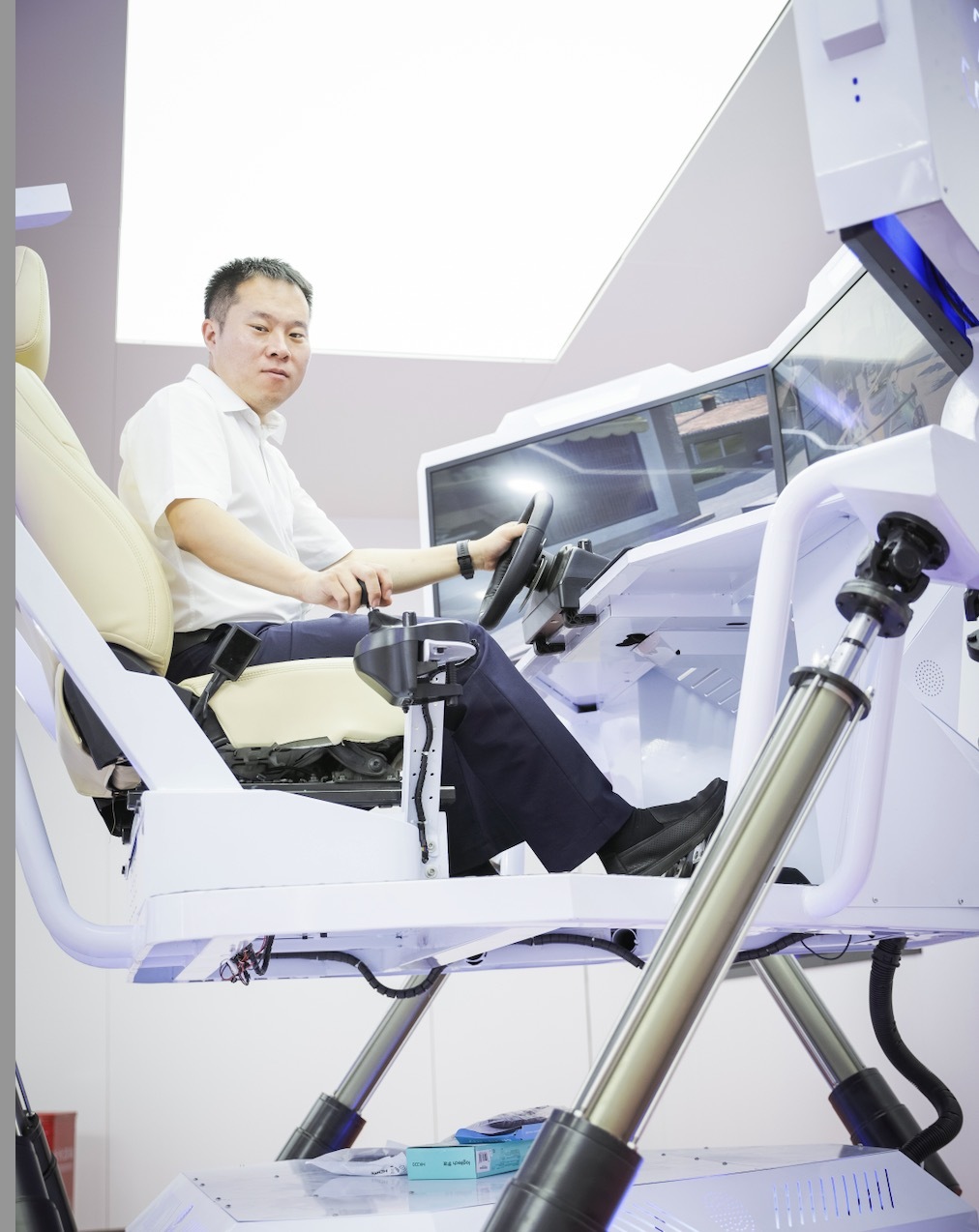
Chu Wenbo, a member of the Chongqing Municipal Committee of the CPPCC, operates a smart cockpit testing device. (Photo/Western Science City Intelligent and Connected Vehicle Innovation Center)
In 2024, Chongqing was selected as one of China's first 20 national pilot cities for vehicle-road-cloud integration. By the end of 2024, the city had established a municipal-level cloud-based control platform that integrates real-time data from 559 roadside facilities and 5,859 connected vehicles, according to official figures.
In 2025, Chu submitted proposals calling for stronger top-level planning and clearer data-sharing mechanisms for intelligent connected vehicles, while noting that supporting industries, such as electronic components and software services, are still developing, and that most applications remain at the demonstration stage rather than forming mature commercial models.
Following Chu’s proposals, Chongqing has moved faster to turn autonomous-driving plans into real-world trials. The city has rolled out pilot programs for smart public buses, automated parking, urban logistics and autonomous delivery. On December 26, 2025, 46 electric vehicles with special license plates began trial operations on selected roads, marking China’s first pilot road use of a batch of Level 3 (L3) conditionally autonomous vehicles.
Looking ahead to the upcoming Chongqing Two Sessions, Chu said he plans to continue focusing on expanding application scenarios and improving commercial viability to support larger-scale deployment of L3 vehicles during China's next five-year planning period.
In the health sector, You Hongtao, a deputy to the Chongqing Municipal People's Congress, has concentrated on the development of foods for special medical purposes (FSMP). As chairman of Pharscin Pharma, You led the construction of southwest China's first FSMP production line, with two products approved and registered in 2025, ending the region's previous absence in this field.
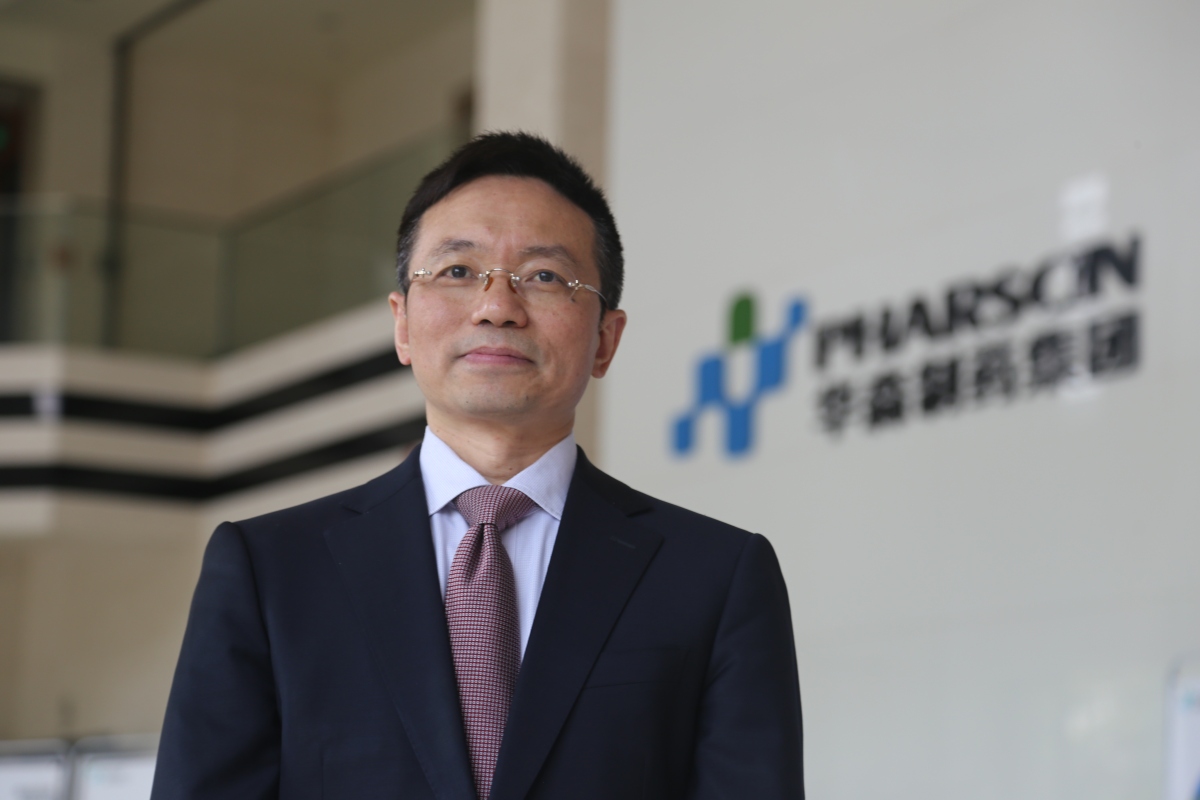
You Hongtao, a deputy to the Chongqing Municipal People's Congress, chairman of Pharscin Pharma. (Photo/Pharscin Pharma)
FSMP, often referred to internationally as medical foods, are designed for patients with limited food intake, impaired digestion, or specific disease conditions and must be used under medical supervision. However, You found that even after gaining regulatory approval, many FSMP products struggled to enter hospitals because standardized billing codes were missing, making routine clinical use difficult.
In early 2025, You submitted a motion to the Chongqing Municipal People's Congress proposing a systematic approach to developing the city's medical food and health supplement sectors.
You said China's FSMP market had long relied on imports, mainly from multinational companies such as Nestlé, with high prices, while domestic products lowered costs and offered formulations better suited to Chinese dietary needs.
According to Shen Peng, an official from the Chongqing Municipal Health Commission, the commission has carried out a full-chain review of the FSMP industry and produced a research report. Authorities are now drafting management standards for FSMP use in medical institutions, with a focus on billing codes and hospital access pathways. Shen said 160 secondary-level and above hospitals in Chongqing have established clinical nutrition departments, providing a solid foundation for standardized FSMP use.
“As a deputy, the greatest achievement is seeing industry concerns translated into government policies and concrete action," You said.
Ahead of this year’s Chongqing Two Sessions, You said he will continue pushing for faster policy implementation so that approved FSMP products can move from regulatory approval into routine clinical use. This will better support patient care and help drive the growth of Chongqing’s health industry.
Urban governance is also set to be a major topic at this year’s Chongqing Two Sessions. Chen Weiping, a deputy to the Chongqing Municipal People’s Congress and Party secretary of Guixi Subdistrict in Dianjiang County, represents a community where older residential neighborhoods make up 78% of the local housing stock.
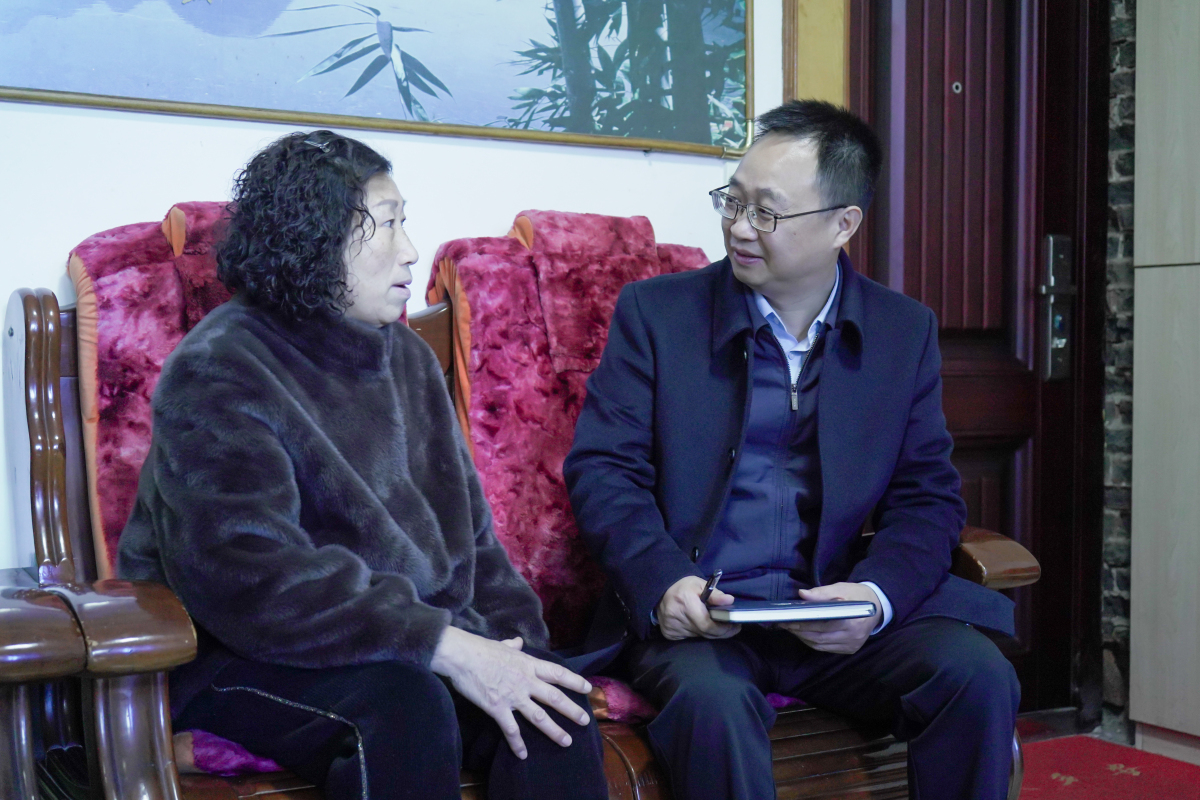
Chen Weiping, a deputy to the Chongqing Municipal People’s Congress and Party secretary of Guixi Subdistrict in Dianjiang County, listens to a resident’s concerns during a household visit in Guixi Subdistrict, Dianjiang County, Chongqing. (Photo/Chen Weiping)
In 2025, Chen submitted a motion on safety risks in older residential communities, such as exterior wall tiles that could fall off. He cited one case in which problems at an aging housing compound were fixed in about a month after housing authorities coordinated funding and repair work.
According to data from the Chongqing Housing and Urban-Rural Development Commission, the city completed renovation work on 1,227 old residential communities in 2025, resolving all identified exterior wall safety hazards.
Chen said that while safety improvements have advanced, fragmented renovation remains an issue. He plans to submit new suggestions during this year's Chongqing Two Sessions, calling for an integrated plan that combines structural safety, pipeline upgrades, and public space improvements into a single renovation process.
He also pointed to the "Yingchunli" project in Dianjiang County, which combines old community renovation with preservation of traditional architectural features and the addition of community services. The approach, known locally as "retain, renovate and add," aligns with international urban regeneration concepts that emphasize conservation alongside modernization.
By continuing to browse our site you agree to our use of cookies, revised Privacy Policy and Terms of Use. You can change your cookie settings through your browser.
For any inquiries, please email service@ichongqing.info