
Chongqing — International commentators from France, the United States and Canada visited Chongqing on Jan. 19–20 for a two-day research visit focused on the southwestern Chinese megacity’s development in high-end manufacturing, urban infrastructure and new energy vehicles (NEVs), key areas of China’s modernization drive.
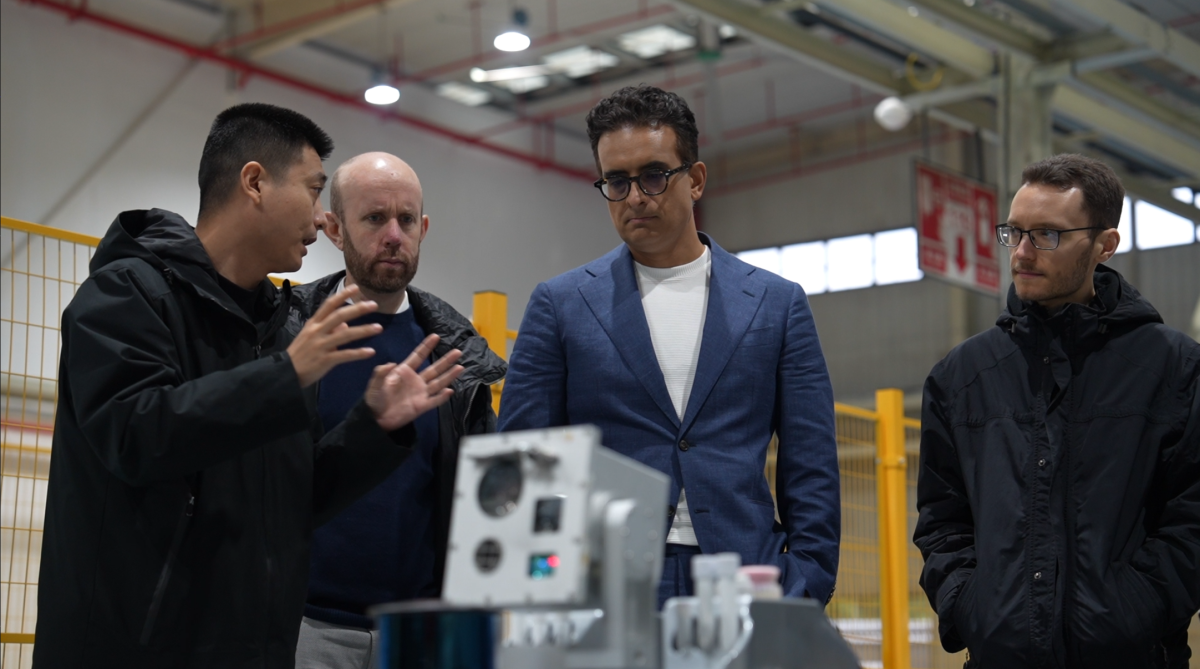
International commentators carried out a two-day visit and in-depth exchanges in Chongqing. (Photo/Luo Huxin)
The visit was held as part of the 2026 International Commentators' Dialogue, organized by the Western China International Communication Organization. Participants included Arnaud Bertrand, French entrepreneur, author and geopolitical commentator; Ben Norton, U.S. journalist, analyst and political economist; and Daniel Dumbrill, Canadian entrepreneur and content creator.
The group toured key industrial and research facilities while holding in-depth discussions with local experts. From factory floors to urban planning studios, the visits offered an outside perspective on Chongqing's development model, and a vivid window for the outside world to better understand China's development path.
The visit began Monday afternoon at Sevnce Robotics, where the commentators examined the research, development and real-world deployment of specialized industrial robots. The group noted the role robotics is playing in transforming high-risk industries by reducing workplace dangers while boosting efficiency.
Dumbrill said the visit reshaped his perception of China's robotics sector. The machines on display were not experimental prototypes but commercially deployed tools already operating in extreme environments, including high-heat and sub-zero conditions. Designed to replace human labor in hazardous inspection tasks, the robots significantly improve safety, he said.
What stood out him most was the strength of the supply chain behind the technology. About 99% of the robots' components are sourced domestically, a level of localization that underscores the maturity and completeness of China's manufacturing ecosystem.
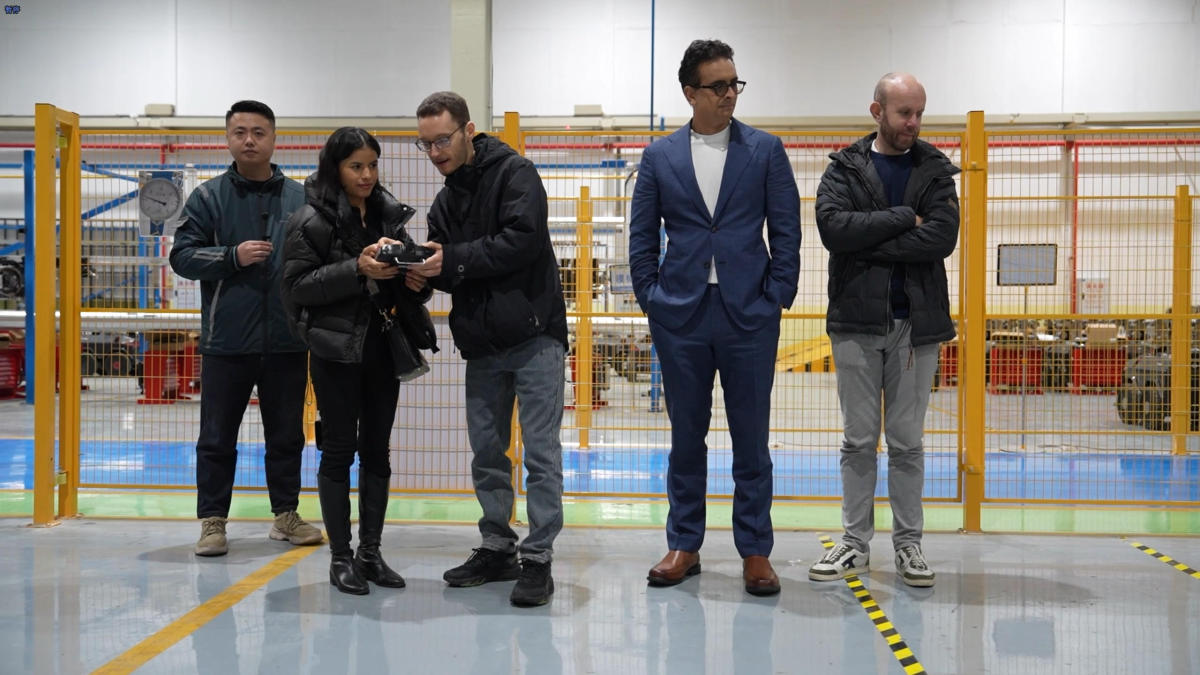
The commentators gained first-hand insight into the research, development, and real-world applications of robots. (Photo/Luo Huxin)
Norton echoed that assessment, pointing to Chongqing's ability to sustain innovation at scale. He said the high degree of local production reflects a broader industrial ecosystem capable of supporting rapid technological advancement.
Norton said China places greater emphasis on the practical use of artificial intelligence and robotics, with a focus on deploying technologies that can directly meet public needs.
On Tuesday morning, the group visited T. Y. Lin International China to learn about the planning concepts behind Chongqing’s distinctive “8D” urban layout, shaped by steep terrain and a dense river network.
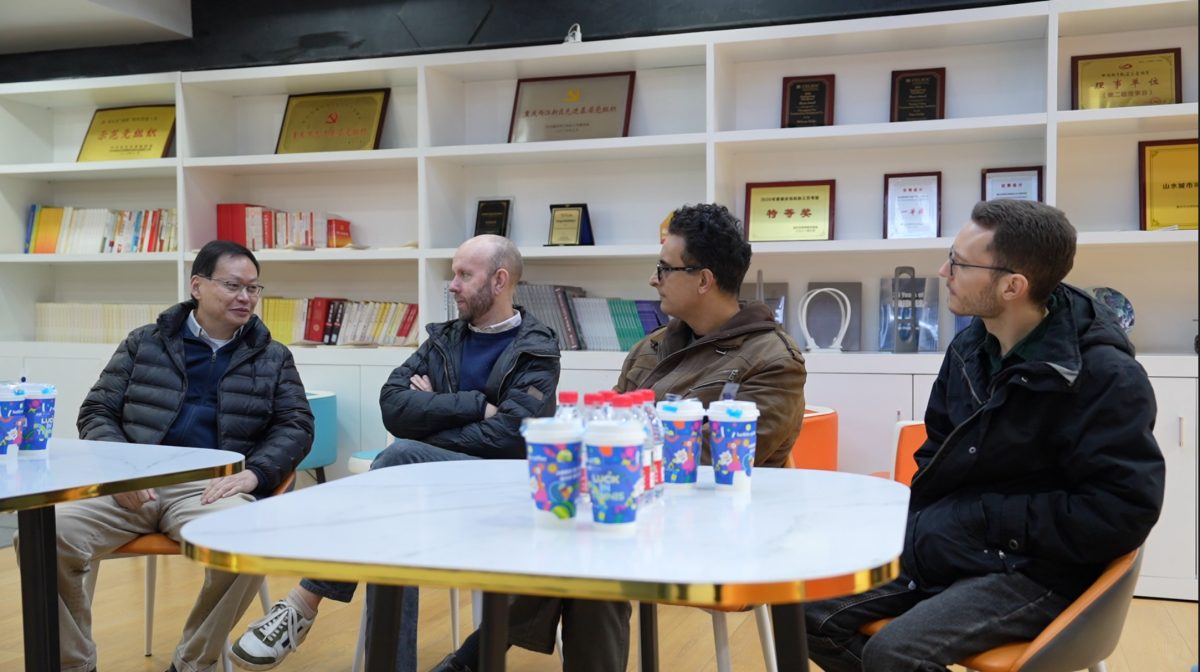
The commentators held discussions at T.Y. Lin International China. (Photo/Luo Huxin)
Facing a maze of bridges and multi-level transport systems, Norton said the city left a strong impression. Chongqing's reputation as China's bridge capital is not only a matter of scale or quantity, but of function. The structures significantly improve daily mobility while also shaping the city's visual identity.
China's global leadership in infrastructure development is rooted in long-term public investment and systematic planning rather than short-term decision-making. Governance systems capable of sustained funding and execution allow cities to deliver large-scale, high-quality infrastructure in relatively short timeframes.
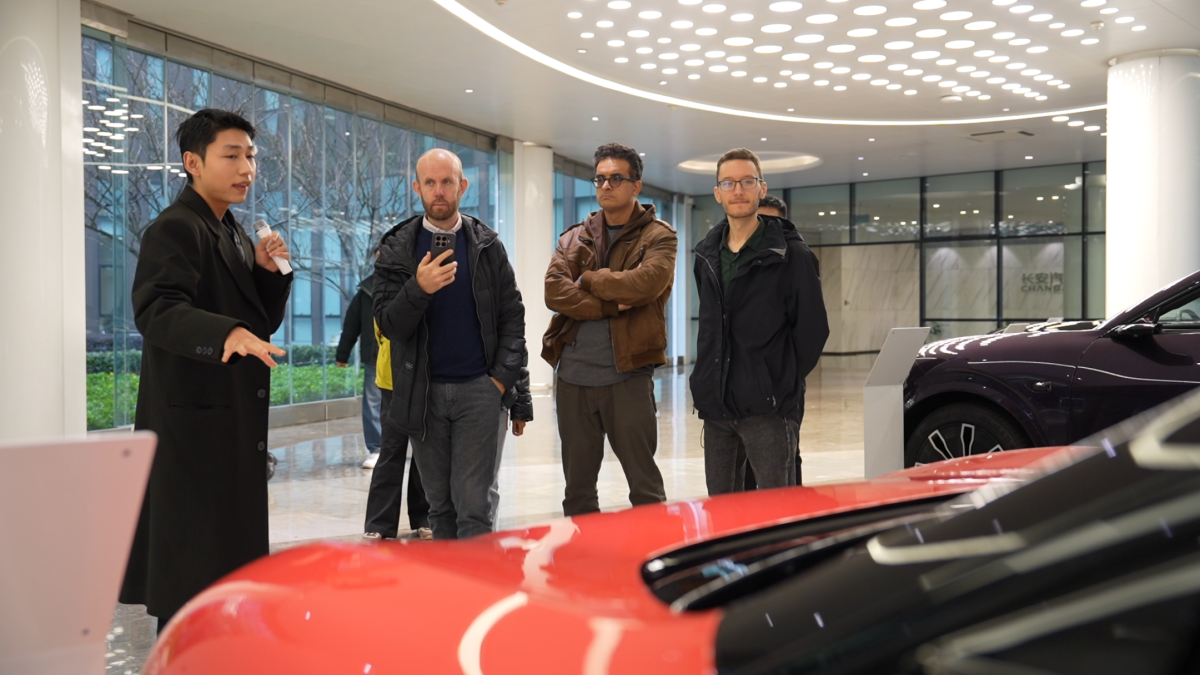
The commentators visited the Changan Automobile Global R&D Center. (Photo/Luo Huxin)
The visit wrapped up on Tuesday afternoon at the Changan Automobile Global R&D Center, where the commentators took a close look at China's fast-growing NEV sector.
Bertrand praised the advanced technology, high design standards, and strong market performance of Chinese NEVs, noting that they are becoming an increasingly common sight on city streets. Chinese brands, he said, stand out for combining competitive prices with cutting-edge features and appealing designs.
Responding to ongoing debates in Europe over Chinese electric vehicles, Bertrand argued that protectionism ultimately harms domestic industries by insulating them from competition. He believed that China's success in the automotive sector was not achieved by closing its market, but by opening it, competing head-to-head with global players such as Tesla and continuously improving as a result.
Bertrand noted that long-standing stereotypes that associate "Made in China" with low cost and low quality are steadily disappearing. Chinese NEVs are gaining wider acceptance among European consumers and, in some markets, are even outperforming international competitors.
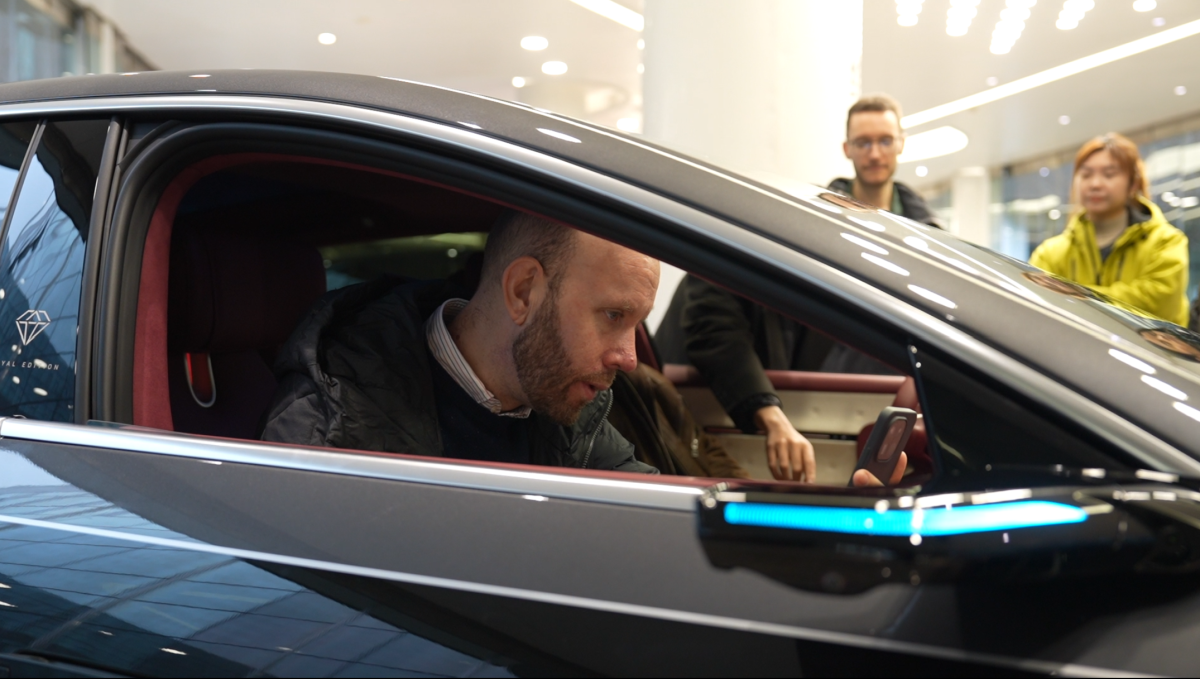
Arnaud Bertrand experienced a Chongqing-made new energy vehicle at the Changan Automobile Global R&D Center. (Photo/Luo Huxin)
By continuing to browse our site you agree to our use of cookies, revised Privacy Policy and Terms of Use. You can change your cookie settings through your browser.
For any inquiries, please email service@ichongqing.info