
Chongqing - Universities in Chongqing are overhauling their mechanical engineering programs, blending project-based learning, deep industry ties, and cross-disciplinary studies to train a new generation of talent for the intelligent manufacturing era. This transformation addresses an urgent industry need: as manufacturing grows smarter and greener, mechanical engineering is evolving far beyond its traditional scope.
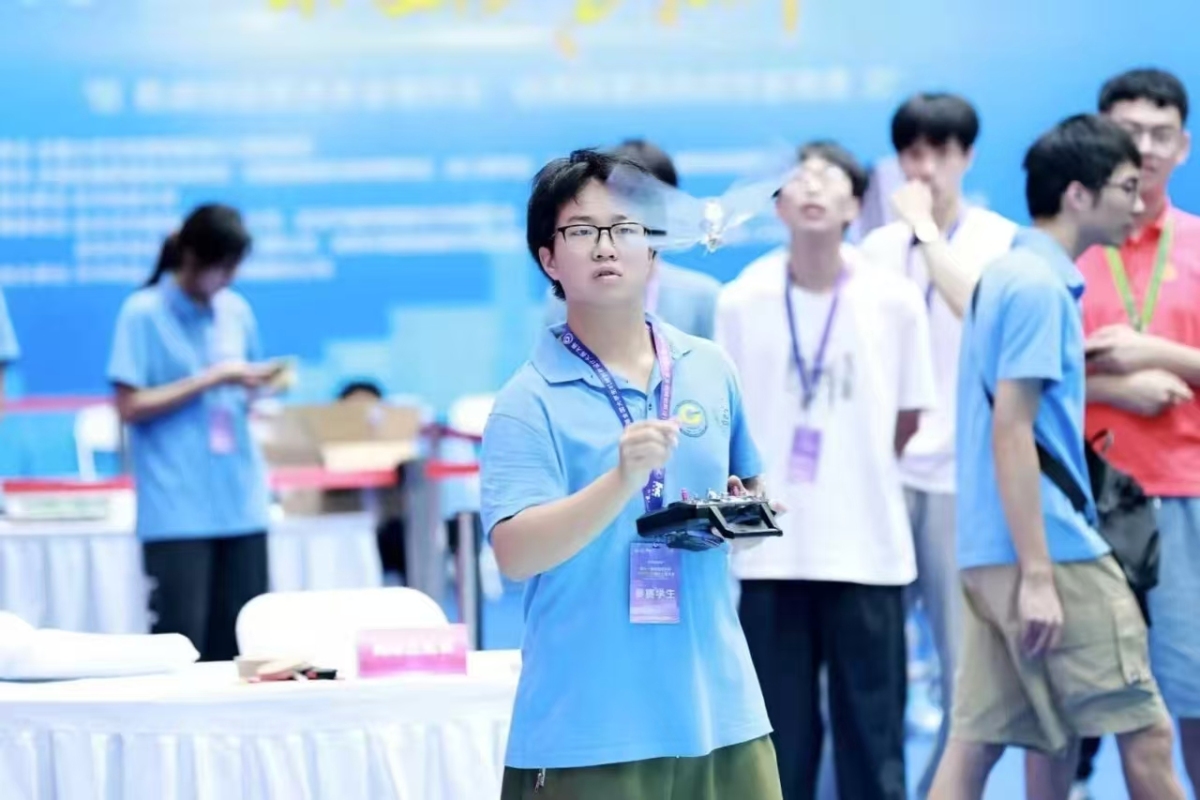
A student team from Chongqing University of Technology is debugging a "bio-inspired butterfly" project. (Photo provided by the interviewee)
"We are moving students from passive learning to active creating much earlier in their studies," said Professor Peng Yan, Vice President of Chongqing University of Technology and Dean of its School of Mechanical Engineering.
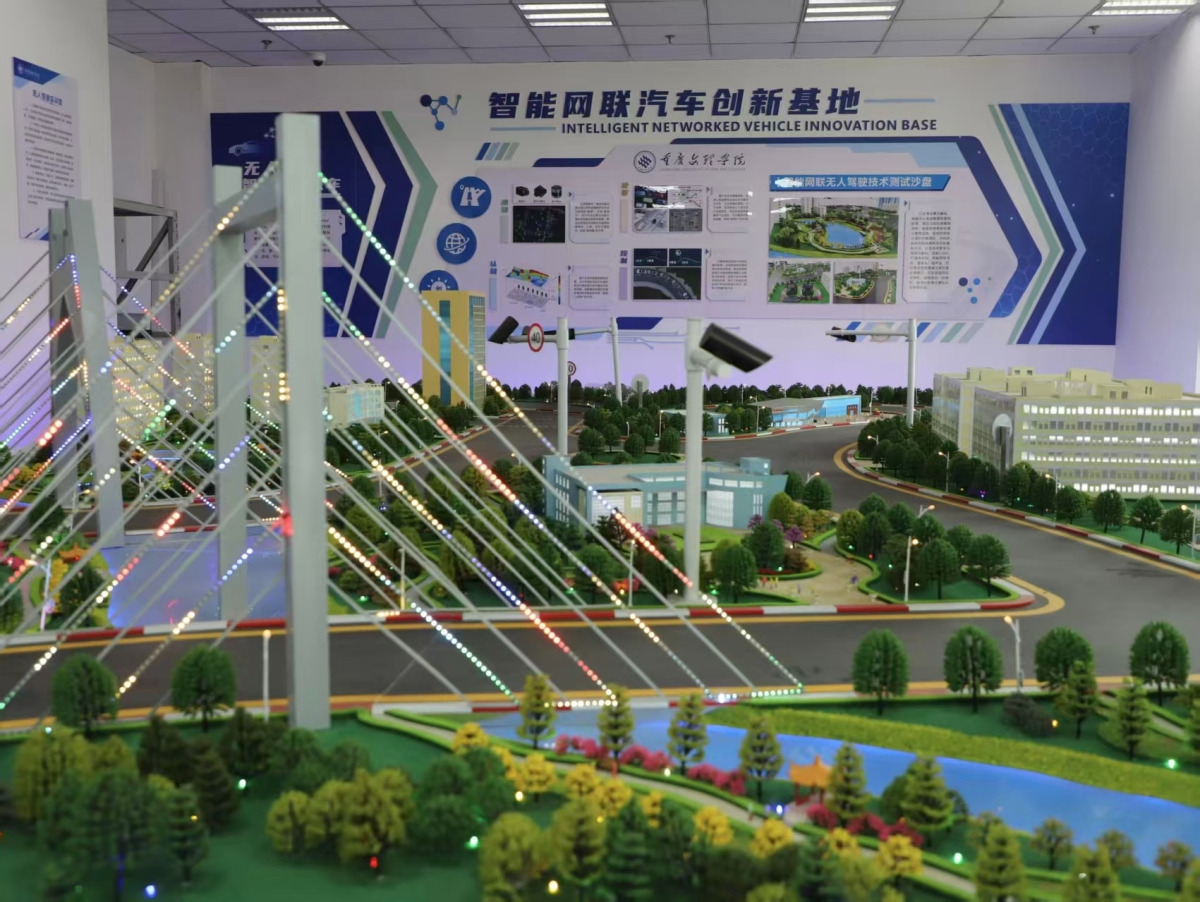
Innovation base for the Chongqing University of Arts and Sciences. (Photo provided by the interviewee)
The university has implemented a "stepped" project-based curriculum spanning all four undergraduate years. First-year students start with hands-on projects, such as designing table tennis-collecting robots, while sophomores tackle real-world problems for local auto parts manufacturers. By their junior year, students undertake complex system projects such as developing smart warehouse robots.
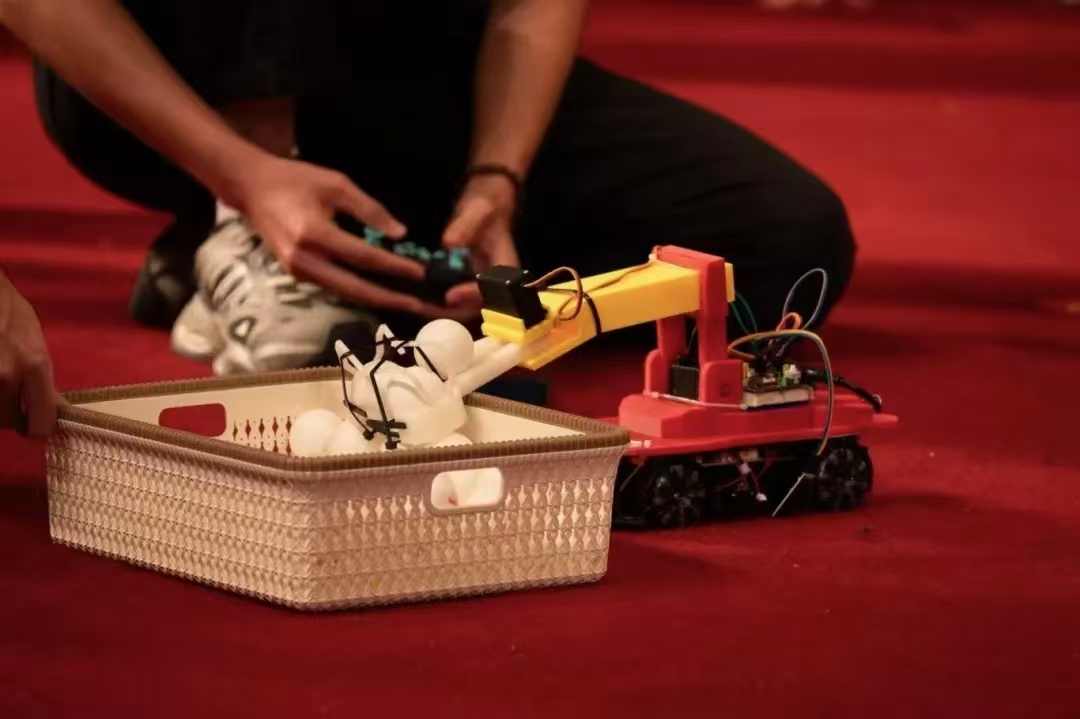
Chongqing University of Technology students participate in the Table Tennis Grasping Robot Innovation Design Competition, where they compete with robotic arms. (Photo provided by the interviewee)
This model is gaining traction across the city. At Chongqing University, undergraduates are required to complete two multi-semester project courses and often join graduate-level research teams. Chongqing University of Science and Technology has established eight discipline-specific student clubs, ensuring all mechanical engineering students engage in practical innovation from their first year.
A key component of the reform is bringing the factory floor into the classroom. Chongqing University of Technology has hired 32 senior engineers from high-tech companies as adjunct faculty, with an annual investment exceeding 1.5 million yuan ($210,000 USD). These industry mentors co-design courses, lead seminars, and provide students with authentic engineering challenges.
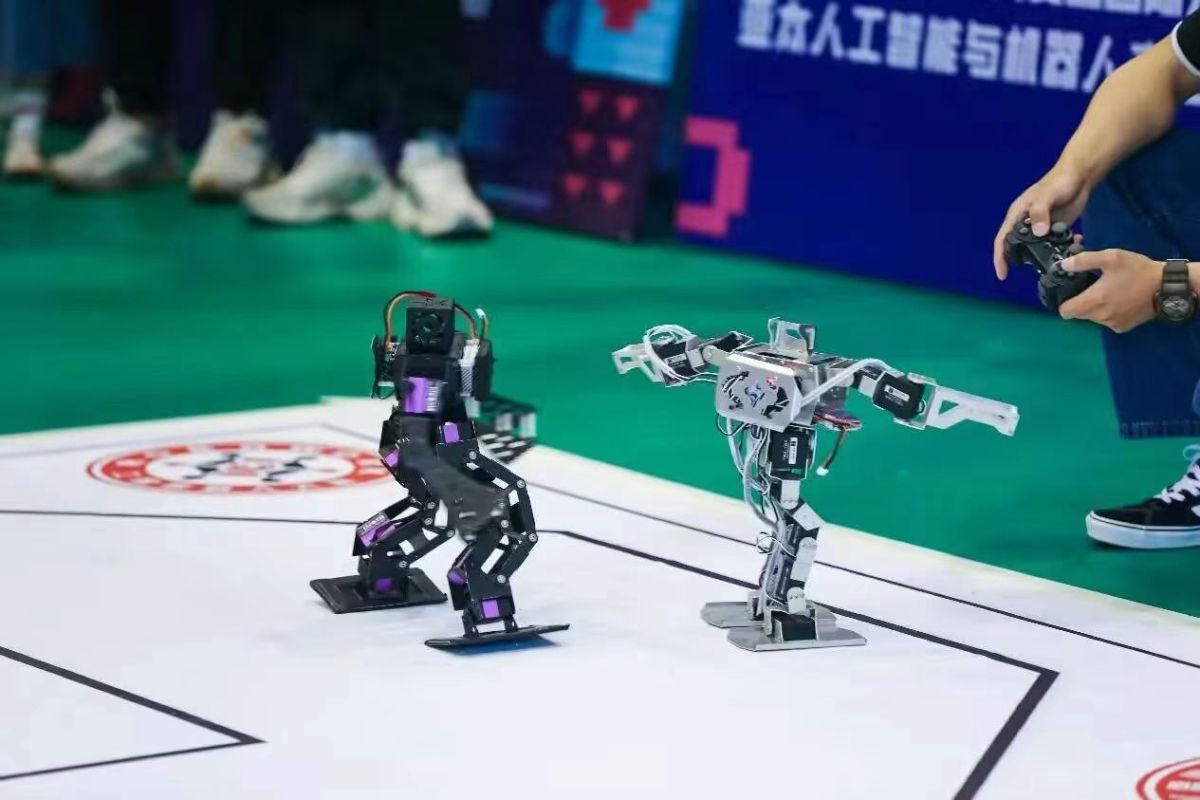
Student scientific innovation competition entries. (Photo provided by the interviewee)
"Teaching centrifugal pump design using our latest AI-optimized product, which cuts energy use by 37%, makes the theory come alive for students," said Xu Zhaofen, R&D Director at Sunshine Pump Industry and an industry mentor.
Similarly, Chongqing University's School of Mechanical and Vehicle Engineering reports that nearly one-third of its senior-year capstone projects are now sourced directly from partner enterprises such as Changan Automobile.
Recognizing that future engineers must work at the intersection of fields, universities are systematically breaking down disciplinary silos.
Chongqing University has launched an "Intelligent Connected Vehicle Innovation Class," jointly run by its schools of Mechanical Engineering, Computer Science, and Microelectronics. Students learn to blend automotive mechanics with AI algorithms and big data analytics.

Students from Chongqing Jiaotong University participate in research on new-energy and smart connected vehicle projects. (Photo provided by the interviewee)
Other institutions are following suit. Chongqing University of Technology runs a joint laboratory on advanced materials and smart manufacturing with its School of Materials Science. Chongqing University of Arts and Sciences has introduced new majors in robotics and smart manufacturing, alongside courses in machine learning and "Industry 5.0."
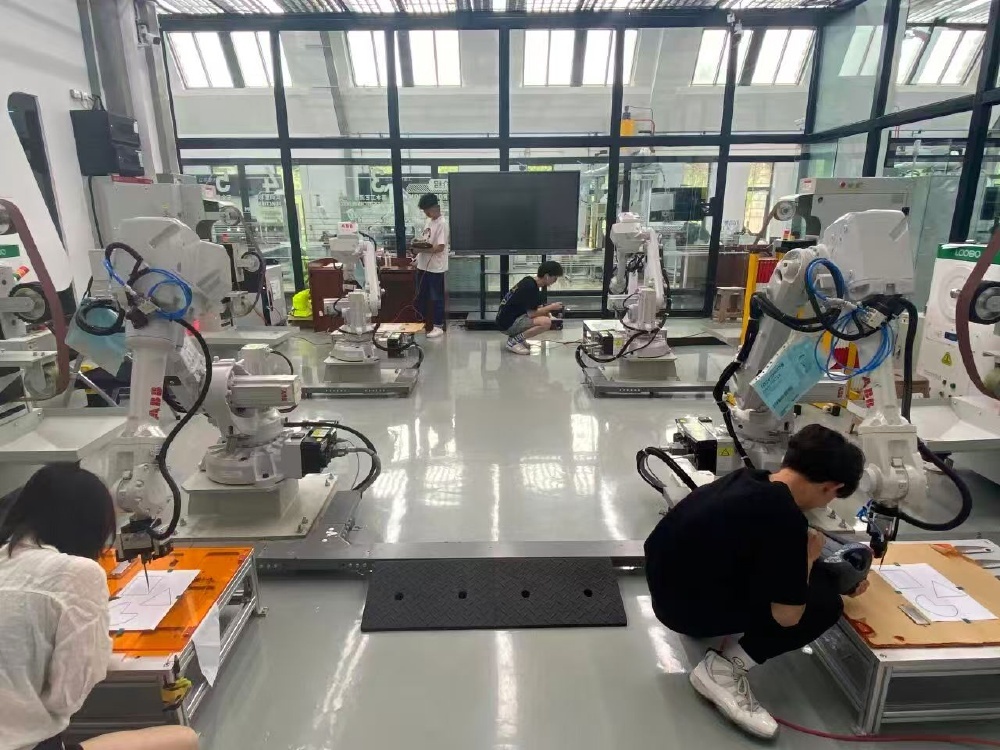
Students of Chongqing University conduct production internships. (Photo provided by the interviewee)
"The core of mechanical engineering today is no longer just about building machines. It’s about solving complex systemic problems," said an official from the Chongqing Municipal Education Commission. "These educational innovations aim to cultivate versatile talent, which is crucial for supporting Chongqing's vision as a national hub for advanced manufacturing."
As the global manufacturing landscape continues its rapid transformation, Chongqing's experiment in engineering education offers a window into how universities can adapt to prepare builders for the future.
By continuing to browse our site you agree to our use of cookies, revised Privacy Policy and Terms of Use. You can change your cookie settings through your browser.
For any inquiries, please email service@ichongqing.info