Chongqing — With this year's Spring Festival falling in February, milder-than-usual weather in Chongqing has made it easier for families to reunite for holiday outings. In the city's famous multi-level 3D landscape, the everyday rush eases during the holiday, replaced by a steady, quiet build-up of festive spirit.
As a Chongqing local, I decided to stay put this Spring Festival—not to chase crowded streets and tourist hotspots, but to spend time with family and visit calmer corners of the city, while also observing how local holiday spending is changing.
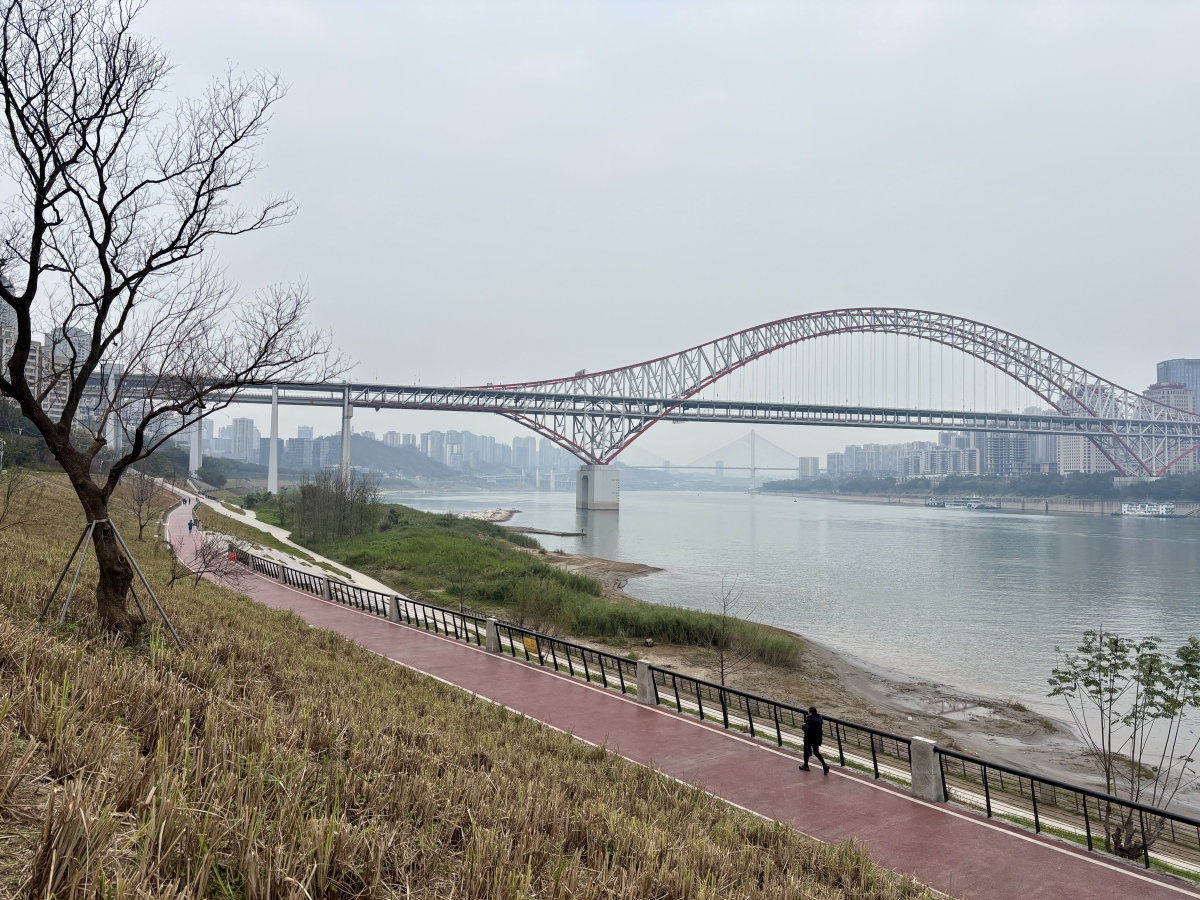
Beyond popular tourist spots, some Chongqing residents choose quieter, less crowded places to spend the holiday. (Photo/Chen Zhan)
For many families, the celebrations begin with the Chinese New Year's Eve reunion dinner, still widely seen as the most important moment of the holiday. Traditions such as putting up Spring Festival couplets, stocking up on New Year goods, sharing the reunion meal, and gathering at home have been passed down for generations.
This year, however, more younger adults are taking the lead in organizing the reunion—myself included. Many people in their late 20s and 30s are no longer just showing up for the holiday; they are planning the menu, placing orders, and setting the tone of the celebration.
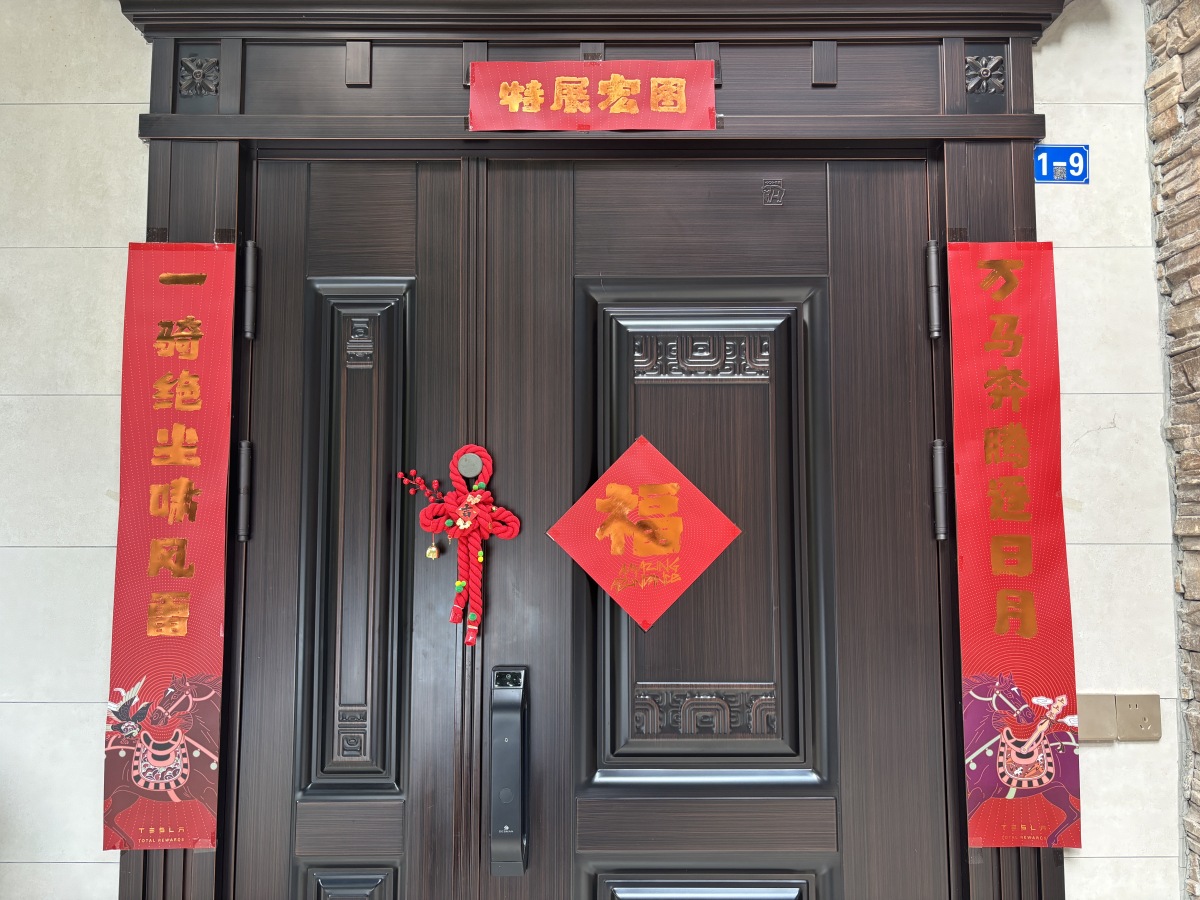
Pasting Spring Festival couplets on doorframes is a cherished tradition of Chinese New Year. (Photo/Chen Zhan)
The first shift is shopping habits. Instead of joining the packed pre-holiday crowds at supermarkets, I ordered most items online largely for convenience, but also because offline shopping can become time-consuming once the festival period begins.
Among Chongqing consumers, Sam's Club and Alibaba-backed Freshippo have become popular choices, thanks to broad product selection and relatively reliable supply. Both platforms said they would remain open during the holiday, though delivery fees rise during the Spring Festival period—by 3 yuan at Sam's Club and 6 yuan at Freshippo.
My own purchase reflected that pattern. I bought a range of items including fish, vegetables, fruit, cake, and other ingredients. The total came to 525.9 yuan (about 76.12 U.S. dollars), including 520.9 yuan for goods, 3 yuan for delivery fee, and 2 yuan for packaging.
The food itself underscored another visible change: the reunion dinner is still central, but its style is evolving. Instead of the traditional spread dominated by heavy meats and labor-intensive dishes, many now are aiming for simpler, lighter and more health-conscious meals.
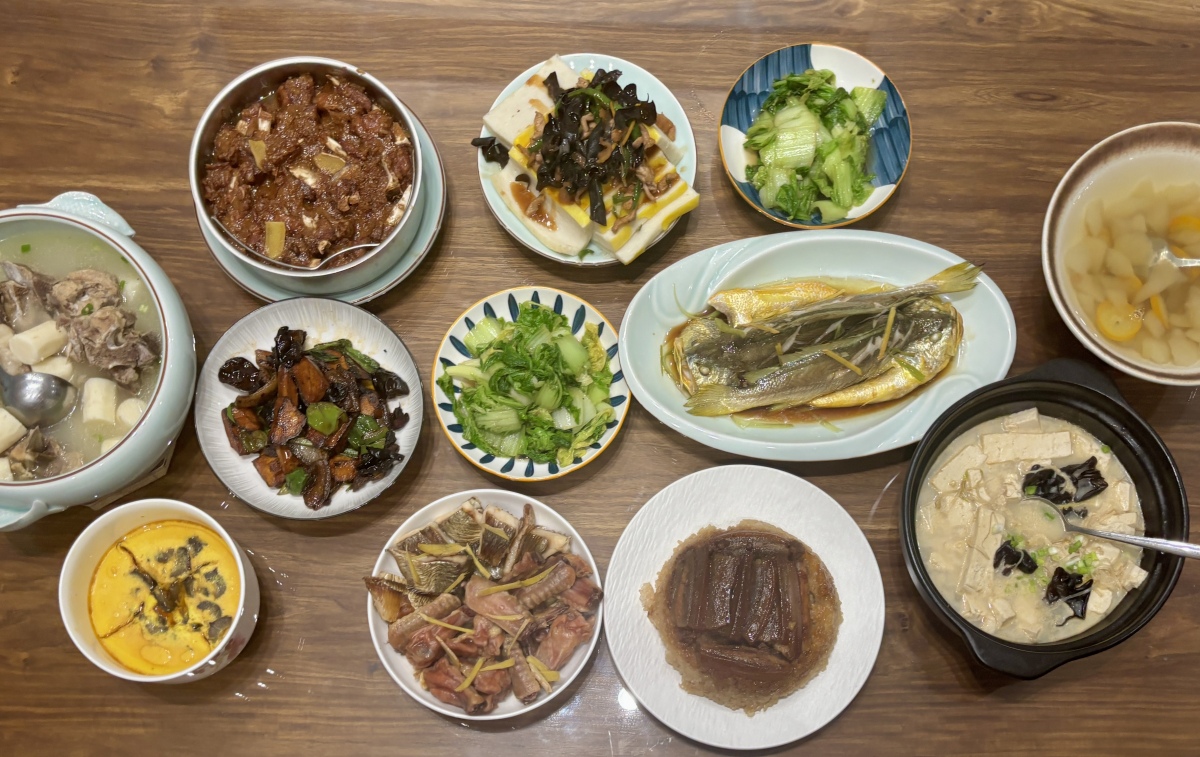
Today's Chinese New Year reunion dinners are increasingly focused on healthier, lighter dishes. (Photo/Chen Zhan)
That may sound surprising in Chongqing, a city celebrated across China for its spice and hot pot culture. But even here, holiday food is not synonymous with mouth-numbing heat. In many homes, the New Year table is becoming more balanced — still rich in meaning, but less centered on excess.
At the same time, demand for ready-to-cook meal kits and food delivery has risen sharply. For many young people, these options offer a more relaxed approach to preparing the reunion dinner, expanding the ways people celebrate while still keeping the family gathering at the center.
To encourage holiday spending, Chongqing rolled out invoice reward program during the festival. Consumers can upload eligible invoices through entry points on UnionPay QuickPass, Alipay, and JD.com for a chance to win cash prizes. The program covers spending across several sectors such as retail, dining, lodging, tourism and entertainment, with prizes ranging from small payouts to a top award of 800 yuan.
Launched on February 12, the program drew more than 180,000 participants on its opening day and awarded over 200 cash prizes of 800 yuan each, according to the Chongqing Municipal Commission of Commerce.