
Chongqing - “The Asia we aspire to is a region of long history, cultural fusion, and fully respected and flourishing diversity.” This opening line of the Chongqing Consensus, released on November 27 in Chongqing at the 2nd General Assembly of the Alliance for Cultural Heritage in Asia (ACHA), sets the tone for a future-oriented dialogue on heritage protection across Asia.
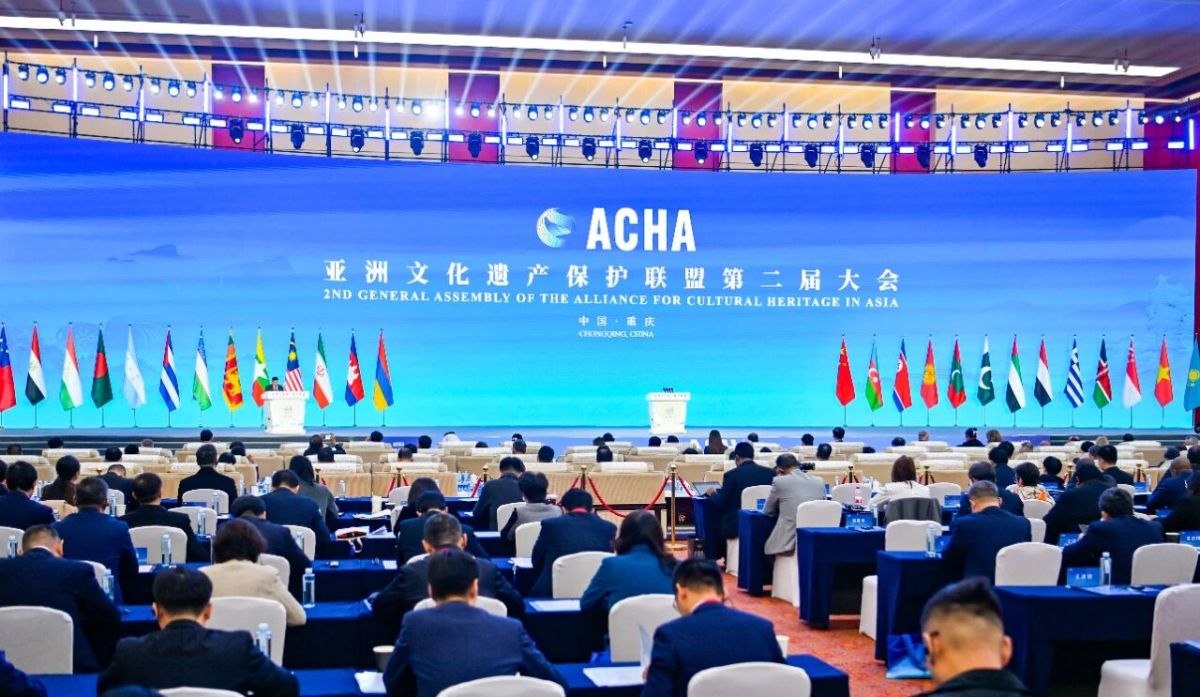
On November 27, at the Chongqing Yuelai International Convention Center, the 2nd General Assembly of the Alliance for Cultural Heritage in Asia (ACHA) was held. (Photo/Qi Lansen, Visual Chongqing)
The conference brought together representatives from 33 countries and international organizations, making Chongqing the focal point of discussions on cultural heritage, mutual learning, and sustainable development. The choice of Chongqing is far from accidental. As the Yangtze River gathers countless tributaries, so too does Asia’s cultural richness grow through exchange and interaction.
Urbanization once brought irreversible loss to many historic spaces across Asia—cultural memory was fragmented, and heritage was damaged. The essential question remains: How should rapidly developing cities coexist with centuries of history?
Lessons learned over time have deepened the understanding that innovation and preservation must advance together. Cultural heritage, once lost, cannot be recreated. Protecting it requires not only responsibility but also creativity.
Chongqing’s recent achievements illustrate what this balance can look like in practice: Heritage preservation is supported at the highest municipal level, cultural relics protection is integrated into major policy strategies, fiscal planning, and quarterly performance assessments; a comprehensive legal and regulatory framework is taking shape, policies strengthen institutional safeguards and reinforce legal responsibility.
Preservation and development are not contradictions—they reinforce each other. With patience and craftsmanship, cultural heritage becomes a source of innovation, identity, and lasting urban vitality.
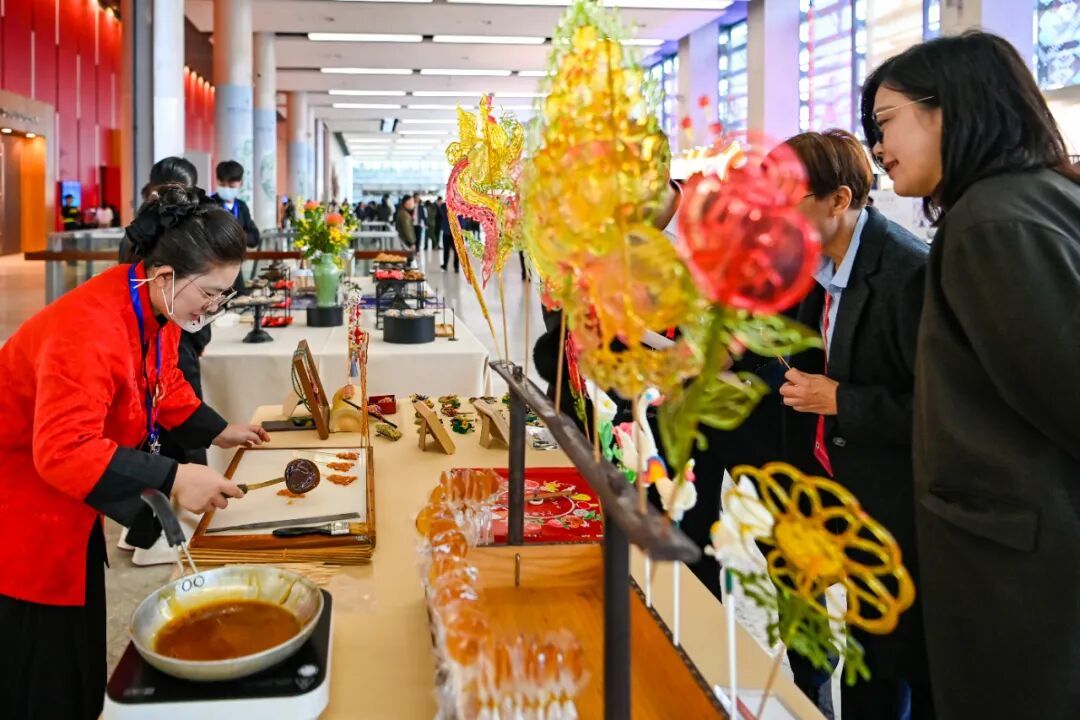
On November 27, guests visit and experience the intangible cultural heritage bazaar during the 2nd General Assembly of the Alliance for Cultural Heritage in Asia (ACHA). (Photo/Qi Lansen, Visual Chongqing)
Chongqing holds a profound heritage legacy, demonstrated by notable progress in recent years:
During the 14th Five-Year Plan period (2021-2025), 870 heritage preservation projects were launched, 26,000 immovable and 1.482 million movable cultural relics were registered, and 759 archaeological projects were completed; one UNESCO-listed World Cultural Heritage site—the Dazu Rock Carvings—and four await nomination, including the Baiheliang inscriptions and the Shudao (Lychee Route).
Behind the numbers lies a keyword—cooperation. Chongqing and Sichuan are jointly advancing research into Bashu civilization, offering clearer answers to “where we came from.” Archaeological work along the historic Shudao trail now suggests that the lychees praised in ancient poetry may once have traveled this very route.
Cooperation also extends across borders. The Baiheliang inscriptions in Chongqing and Egypt’s Nilometers have formed a joint working relationship for World Heritage application efforts. Experts from China and Italy are jointly tackling weathering challenges at the Dazu Rock Carvings, achieving breakthroughs in stone conservation.
These partnerships reflect a compelling vision: civilizations thrive through exchange, not isolation.
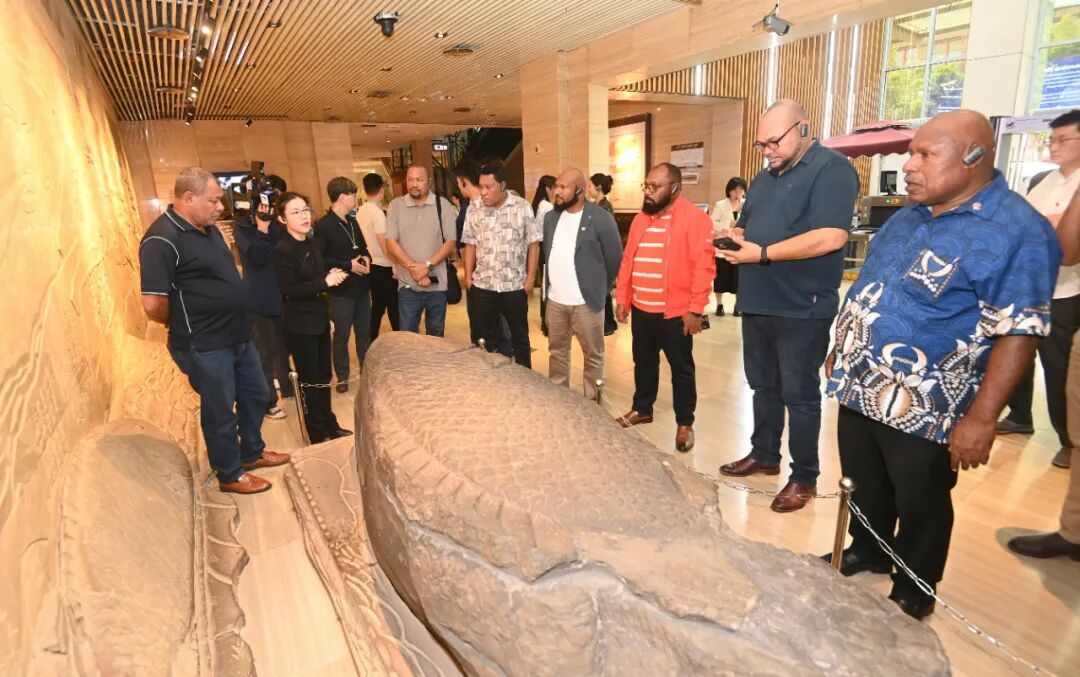
On April 22, a joint delegation from the Parliament of Papua New Guinea conducted an on-site inspection at the Chongqing Baiheliang Underwater Museum in Fuling District. (Photo/Zheng You, Visual Chongqing)
Asia—one of humanity’s great cradles of civilization—retains extraordinary cultural heritage. Yet misunderstandings and narratives of “civilizational conflict” remain in global discourse. This conference sends a clear message:
Dialogue bridges divides. Mutual learning transcends conflict. Inclusion overcomes superiority.
Technology will further strengthen this mission. During the conference, the Alliance’s Technology Committee was officially established, with its secretariat set in Chongqing. This will promote cross-border cooperation, resource-sharing, and innovation in heritage preservation methods.
Cultural heritage also lives through experience.
At the accompanying intangible cultural heritage fair, representatives interacted directly with 20 showcased projects. Exhibitions such as “From Dunhuang to Dazu” at the Chongqing China Three Gorges Museum demonstrated how heritage connects past and present, scholarship and everyday life.
Chongqing itself reflects the essence of Asian civilization. Its mountains symbolize resilience, while its rivers embody openness and flow. Here, heritage is not merely remembered—it is lived, renewed, and shared.
With confidence in our cultural roots and commitment to mutual learning, Asia is poised to write a new chapter of shared brilliance—one defined by inclusiveness, creativity, and connection.
By continuing to browse our site you agree to our use of cookies, revised Privacy Policy and Terms of Use. You can change your cookie settings through your browser.
For any inquiries, please email service@ichongqing.info