
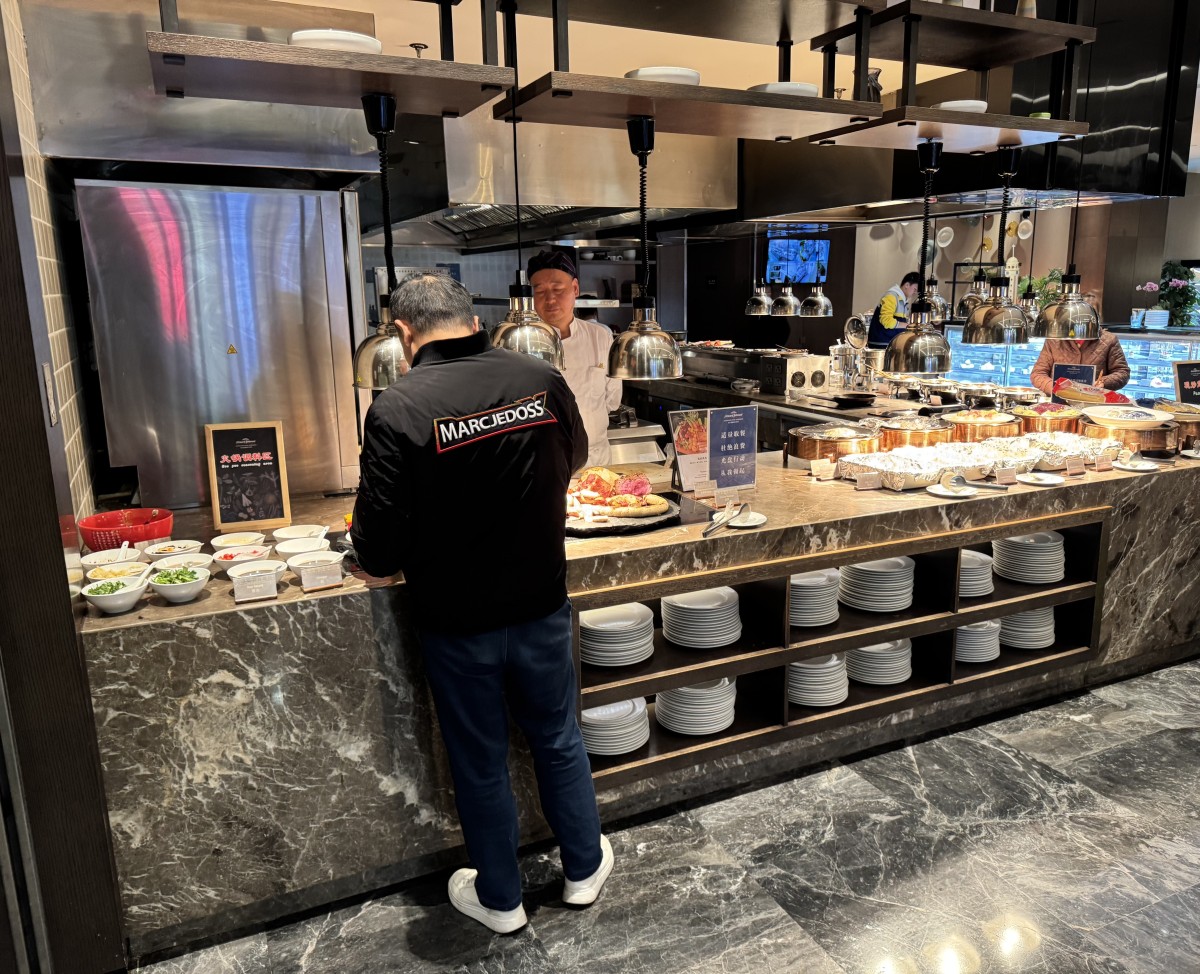
 Bundled expiring-food deals have become increasingly popular among young consumers. (Photo/Zhou Ying)
Chongqing - China’s market for soon-to-expire food has been booming, with industry estimates suggesting it will reach 47.1 billion yuan by 2026. To curb waste and cut costs for consumers, retailers and platforms are bundling nearly expired goods and selling them at steep discounts.
“Expiring food” refers to products that are close to their expiration date but still safe to eat. Stores usually gather these items at the end of the day and either pre-pack them or let customers choose and bundle the items themselves.
Su Faliang, General Manager of Howard Johnson Downtown Hotel Chongqing, said the model has embodied a spirit of social responsibility and creativity since its inception. It caters to young people’s demand for good value and trendy experiences while aligning with their rising interest in sustainability.
In August 2025, the hotel launched its own initiative to reduce food waste and explore new revenue opportunities in its restaurant operations. From Friday to Sunday at 8:30 p.m., customers can pay 38 yuan for a special container and fill it with items of their choice from a designated area.
The project quickly became popular among young people in the city. On social media, many users shared photos of generous meals—grilled steak, salmon, tiramisu—often tagged with words like “surprise” and “supports sustainability.” One customer remarked, “It’s not just about saving money—it’s a statement of new consumption.”
The model has also contributed to reducing food waste. Hotel data shows that its buffet restaurant cut waste by 30% to 40% after launching the program. Su said the hotel aims to reduce waste by more than 50% next year through more refined management.
Beyond high-end buffets, the model has spread to more affordable businesses such as bakeries through specialized platforms. These third-party platforms aggregate restaurants offering surplus food, connecting merchants and consumers. Users can reserve online and pick up in-store, while the platform earns a commission. The model is steadily gaining traction among young people in China’s first- and second-tier cities.
One early leader in the field is the “X Bag” platform, which has operated for four years and expanded to more than 100 cities nationwide, partnering with over 20,000 businesses. Bakery blind boxes remain the most popular option, with merchants releasing batches of unsold goods in the morning and evening—prompting users to act fast.
A representative from X Bag in Chongqing noted that the platform entered the city in 2023, and more than 100 bakeries have already joined, including leading domestic brands Qbakery and Hejia Lily Garden.
Xiao Pan, a 29-year-old X Bag user, said the model is not only affordable but also environmentally friendly. He noted that some freshly baked bread gets thrown away if unsold, which feels wasteful. For him, the expiration date isn’t a concern—he usually eats the bread the same night or the next morning.
A representative from the Chongqing Catering Industry Association said the model offers an effective solution to food waste. For merchants, it has opened new business opportunities by directly connecting businesses, platforms, and consumers through third-party integration.
By continuing to browse our site you agree to our use of cookies, revised Privacy Policy and Terms of Use. You can change your cookie settings through your browser.
For any inquiries, please email service@ichongqing.info