
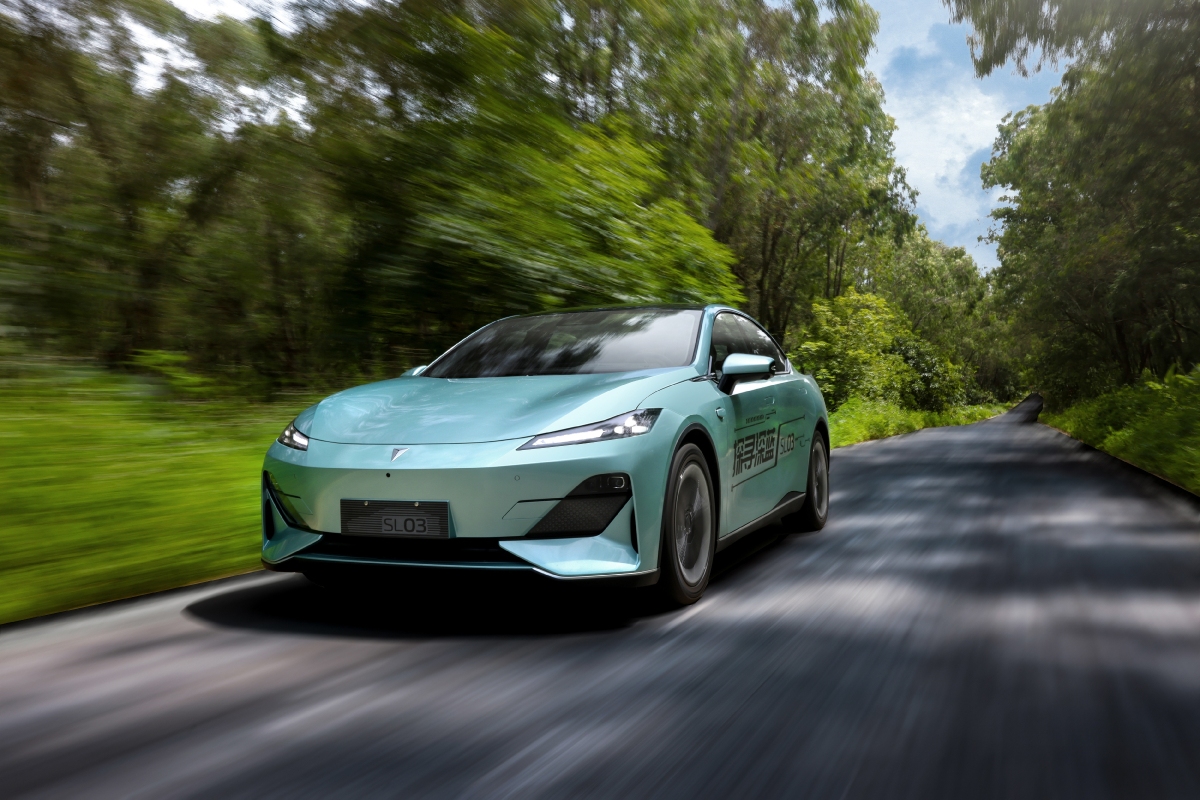
The SL03, a model under Deepal, Changan Automobile’s new energy vehicle brand. (Photo/Changan)
Chongqing - On December 15, the Ministry of Industry and Information Technology (MIIT) approved road access permits for China’s first batch of Level 3 (L3) conditional automated driving models.
The approved models include BAIC’s Arcfox Alpha S and Changan Automobile’s Deepal SL03. Both are authorized to activate Level 3 automated driving on designated roads in approved areas of Beijing and Chongqing, and will next begin pilot road operations in those zones.
The granting of L3 road access permits differs from earlier road testing programs. It indicates that the models have passed official reviews and met regulatory standards in areas including safety and technological readiness, qualifying them for limited legal operation on public roads under defined conditions.
Qu Guochun, director of the Equipment Industry Development Center at MIIT, said allowing road access for mass-production-ready intelligent vehicles marks a step toward gradually expanding automated driving applications, Xinhua reported.
Levels 2 and 3 represent a critical transition between advanced driver assistance and automated driving. Under China’s Taxonomy of Driving Automation for Vehicles, Level 2 refers to systems that control acceleration, deceleration, and steering while the driver remains fully responsible, continuously monitoring the driving environment and ready to intervene at any time.
Level 3 refers to conditional automated driving. Under system-defined conditions, such as specific road segments, the vehicle assumes full control of driving tasks. During these periods, the driver is not required to continuously perform driving operations, allowing limited hands-off and eyes-off activity.
For example, brief non-driving activities such as mobile phone use may be permitted. However, drivers must remain capable of taking over promptly when the system reaches its operational limits.
Under China’s automated driving framework, the key distinction between Level 2 and Level 3 lies in the transfer of responsibility. At Level 2, the driver remains fully responsible for vehicle safety at all times.
At Level 3, once the automated system is activated within approved conditions, accident liability shifts to the automaker, raising requirements for system reliability, safety redundancy, and regulatory oversight.
According to the Ethical Guidelines for the Research and Development of Driving Automation Technologies released by China’s Ministry of Science and Technology on July 23, if an accident occurs within the system’s operational capabilities and the driver fails to take over in time, responsibility may fall on the automaker or system provider. However, if an accident results from the driver’s failure to fulfill the takeover obligation, the user bears primary responsibility.
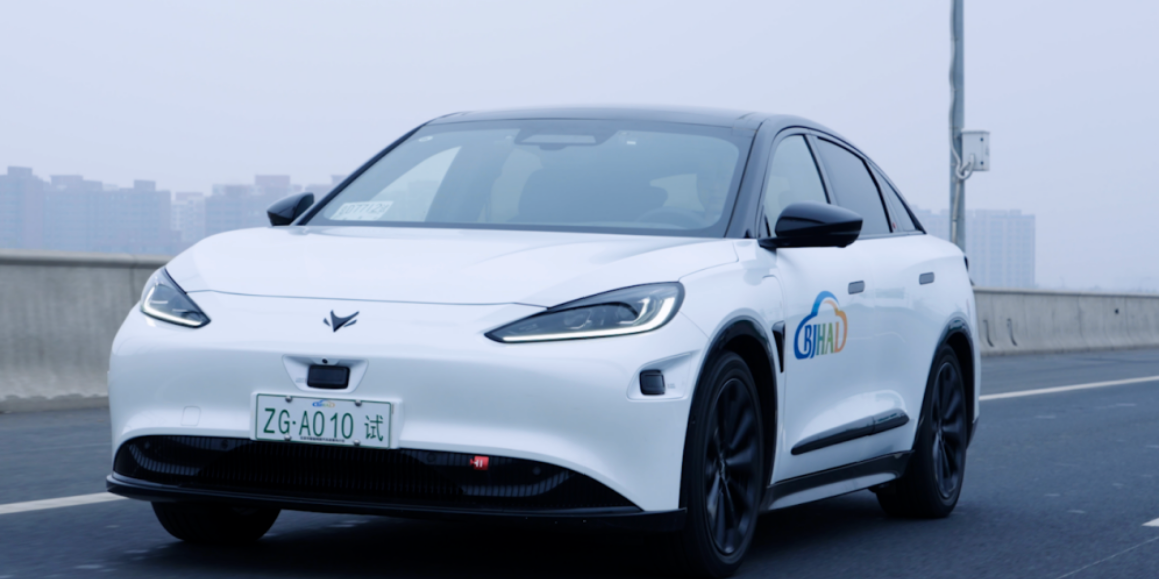
BAIC’s Arcfox Alpha S conducts on-road autonomous driving tests. (Photo/BAIC)
By continuing to browse our site you agree to our use of cookies, revised Privacy Policy and Terms of Use. You can change your cookie settings through your browser.
For any inquiries, please email service@ichongqing.info