
Taipei - The 2025 Winter Solstice, the last of the 24 Chinese solar terms in a year, falls on Sunday and is being celebrated across the Taiwan region with the tradition of eating tangyuan -- glutinous rice balls which symbolize reunion and good fortune.
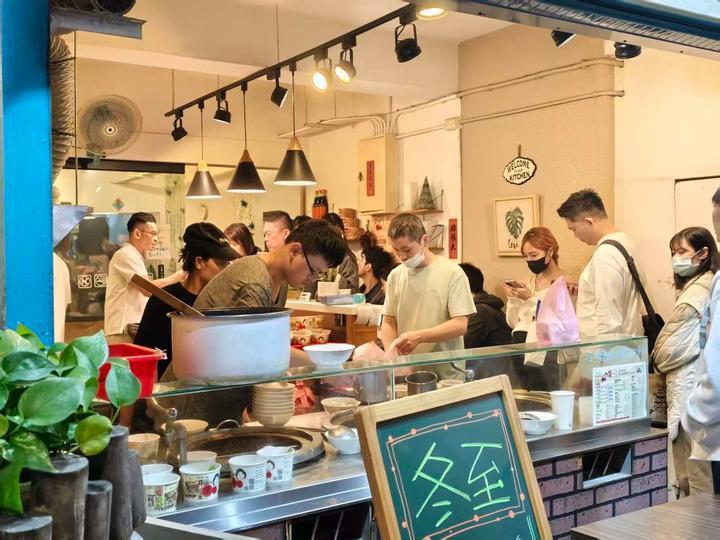
A well-known local tangyuan shop in Taipei. (Photo/Xinhua)
In Taipei, sales at tangyuan stores surged significantly in the days leading up to the Winter Solstice. On Friday, long queues for tangyuan were seen at shop entrances even past noon.
On the Tonghua Street block, where people flock for traditional street foods in Taipei, a well-known local tangyuan shop saw at least 10 times more customers than usual on Friday.
"Every Winter Solstice, we are flooded with people. And today, within hours of opening, we had already sold 4,000 to 5,000 servings," a staff member surnamed Liu told Xinhua as he packed orders, adding that they had begun preparing ingredients for the Winter Solstice rush two months in advance.
Tangyuan are commonly filled with sweet ingredients such as peanuts or black sesame, or savory fillings like minced pork, and served in warm soup. In Taipei, local shops have also developed innovative variations based on traditional flavors.
Also located on the Tonghua Street block, one trendy shop is famous for its signature "ice and fire tangyuan," which are freshly cooked and served atop shaved ice, finished with a drizzle of osmanthus syrup.
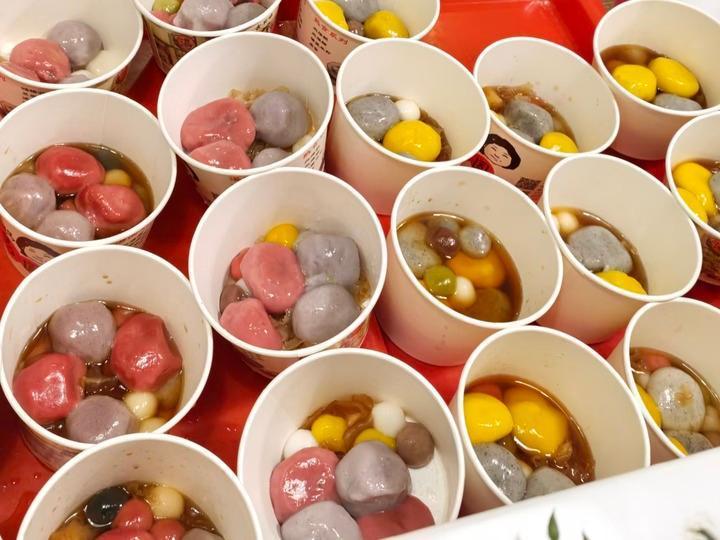
Tangyuan on display at a shop in Taipei. (Photo/Xinhua)
Its owner, a 25-year-old man surnamed He, said that the glutinous rice balls it sells are more similar to yuanxiao, which are made by repeatedly rolling the filling in dry glutinous rice flour, while tangyuan are made by wrapping filling in dough.
"These yuanxiao have a crystal-clear outer layer, and they are chewier," he said.
Behind the countless bowls of tangyuan enjoyed on any single day is both people's love of the dish and their appreciation for the solar terms that are an important part of traditional Chinese culture.
"The Winter Solstice is an important day that carries the meaning of reunion, and this kind of deeply rooted emotional bond has kept traditional festivals in Taiwan alive and continuously passed down," said Chen Chun-lin, who works in the field of culture in Taiwan.
By continuing to browse our site you agree to our use of cookies, revised Privacy Policy and Terms of Use. You can change your cookie settings through your browser.
For any inquiries, please email service@ichongqing.info