
Chongqing — In 2025, Chongqing continued to advance its opening-up efforts as major transport and logistics projects strengthened the city’s connectivity. The opening of Chongqing East Railway Station, the largest high-speed rail hub in western China, further expanded the framework of Chongqing’s “rice-shaped” high-speed rail network. At the same time, the formation of the core eastern hub of the New International Land-Sea Trade Corridor improved logistics efficiency, while new inland shipping services boosted activity along the upper reaches of the Yangtze River.
High-speed trains, aircraft taking off and landing, and cargo vessels moving between mountains and rivers together form a dynamic picture of the city. As new transport arteries come into operation, passenger and goods traffic continues to increase, shortening distances and bringing Chongqing closer to the world.
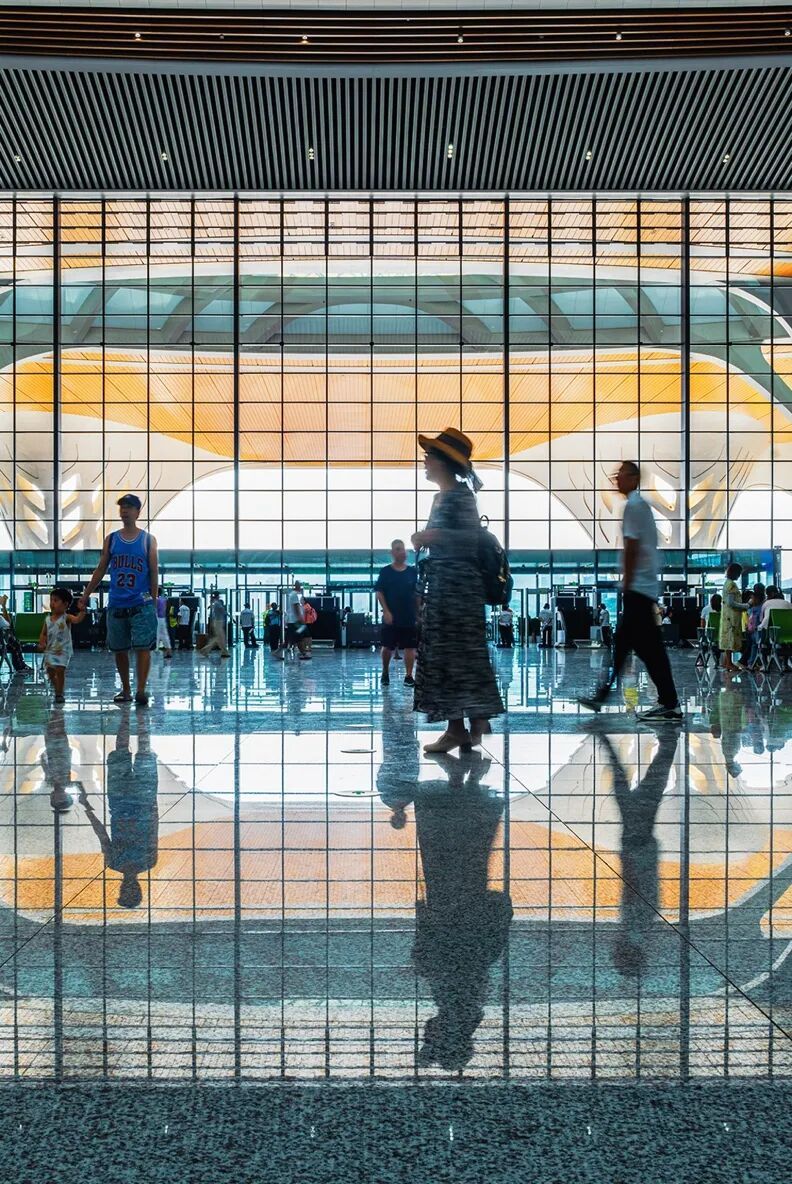
Chongqing East Railway Station at dusk. Inside the station hall, travelers move through the daily rhythms of urban life.
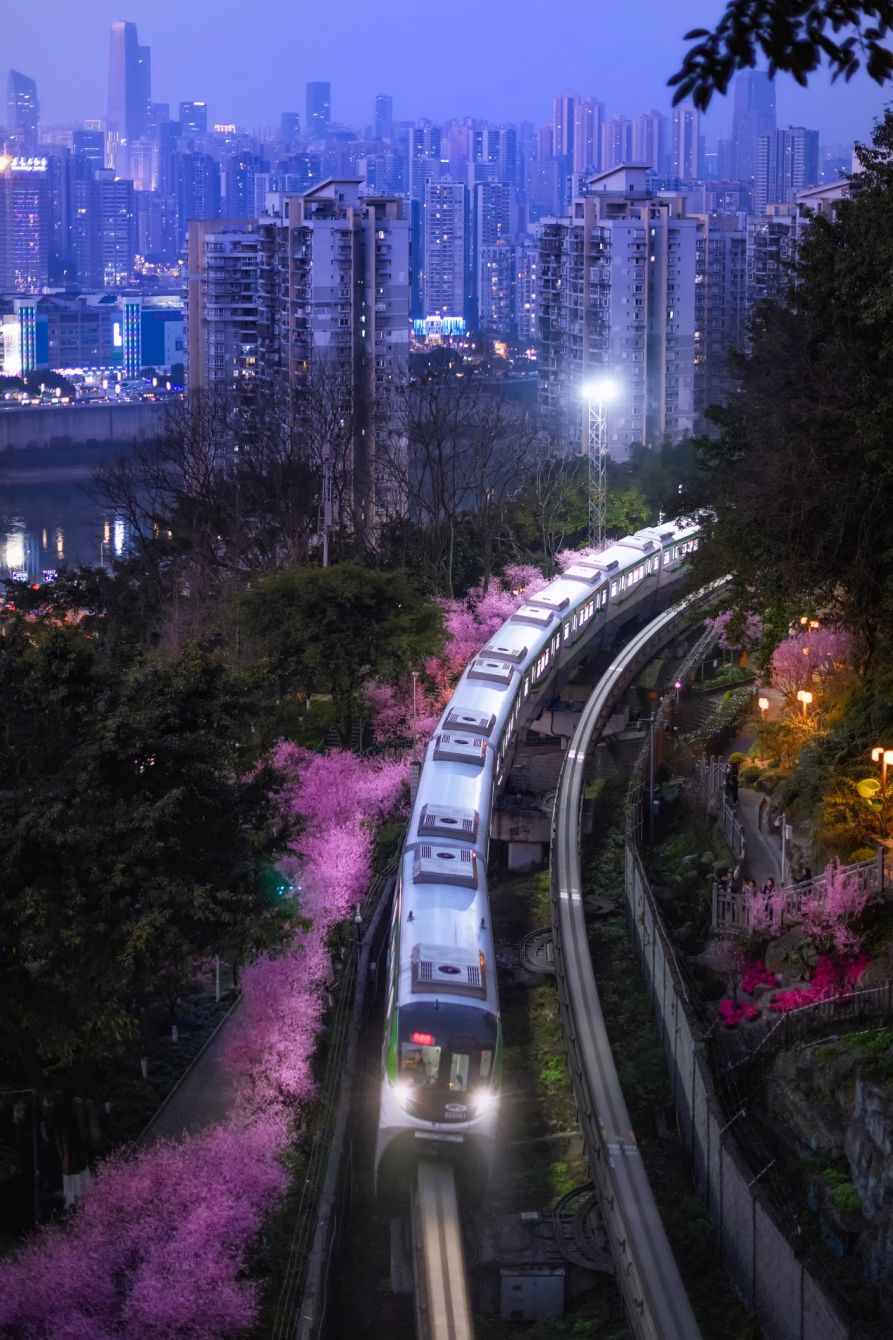
In early spring of 2025, the monorail cut through Chongqing as blossoms came into bloom.
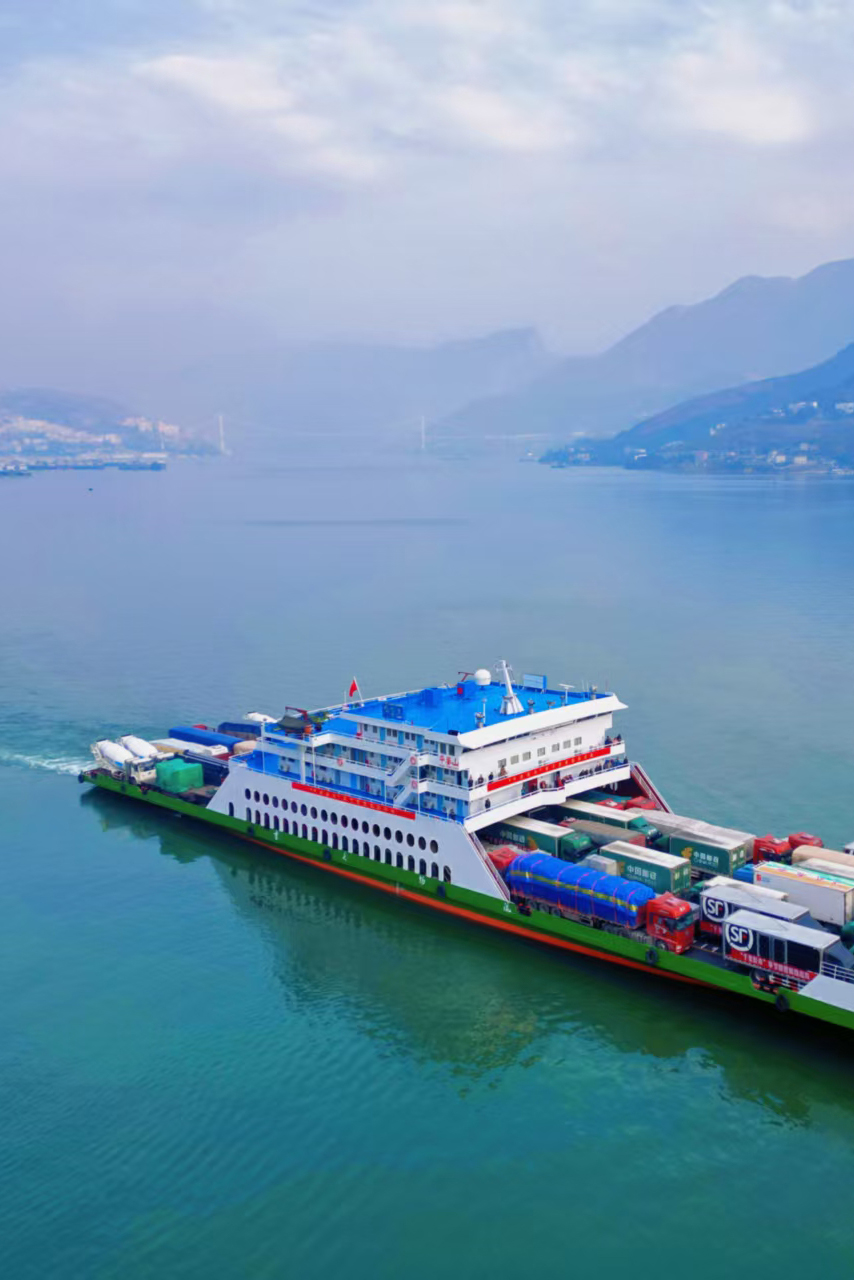
A cargo vessel carrying 320 metric tons of Fengjie naval oranges departs from the terminal at Fengjie No. 7 Bridge in Chongqing.
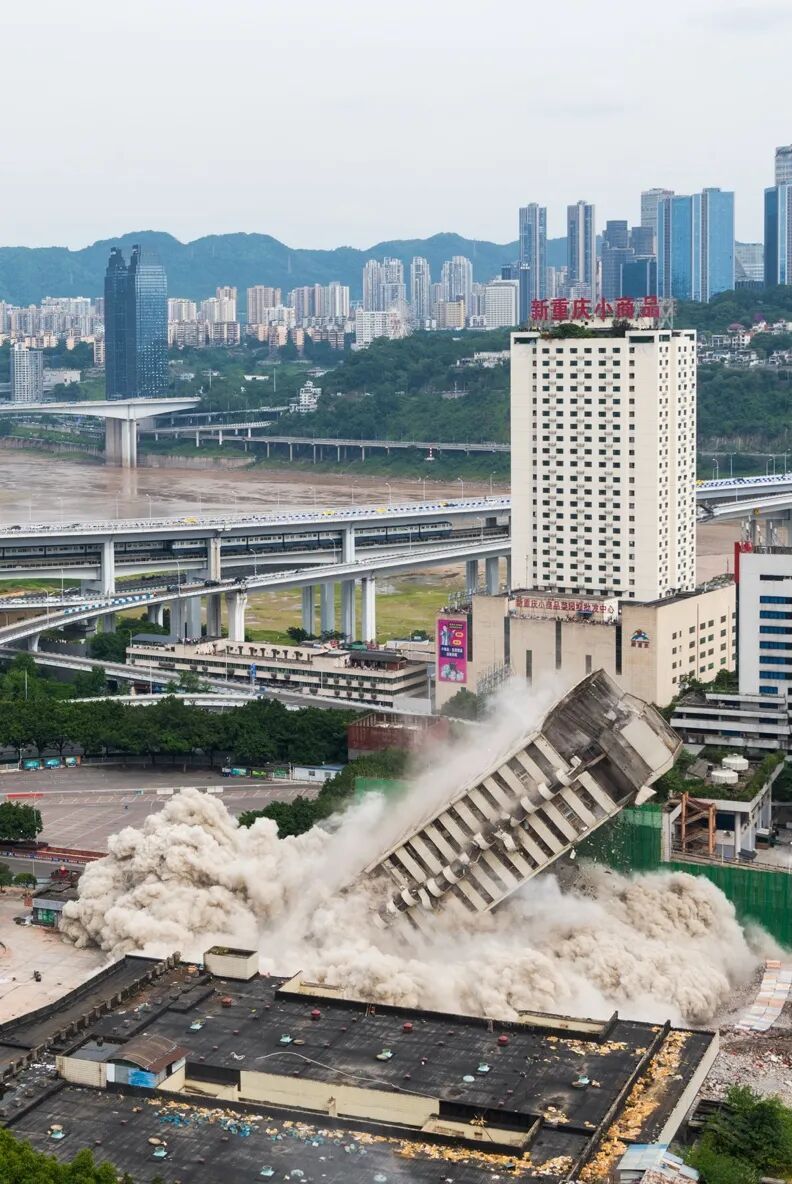
Chongqing Railway Station in the Caiyuanba area of Chongqing is a long-standing rail hub deeply tied to the city’s history. With the demolition of the Huatian Hotel, the site is set for redevelopment into a new urban landmark integrating natural landscape, cultural heritage, and modern transportation infrastructure.
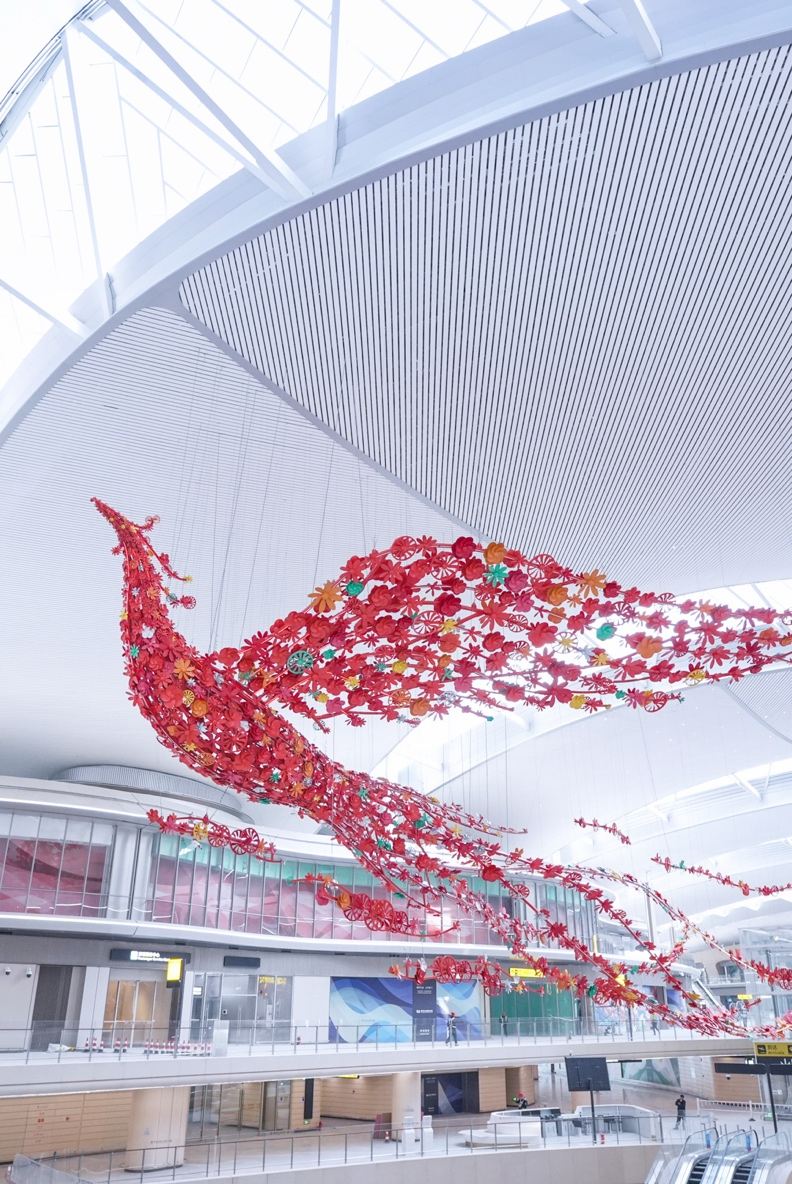
Chongqing Jiangbei International Airport now has three terminal buildings, one satellite hall, and four runways following the opening of Terminal 3 B.
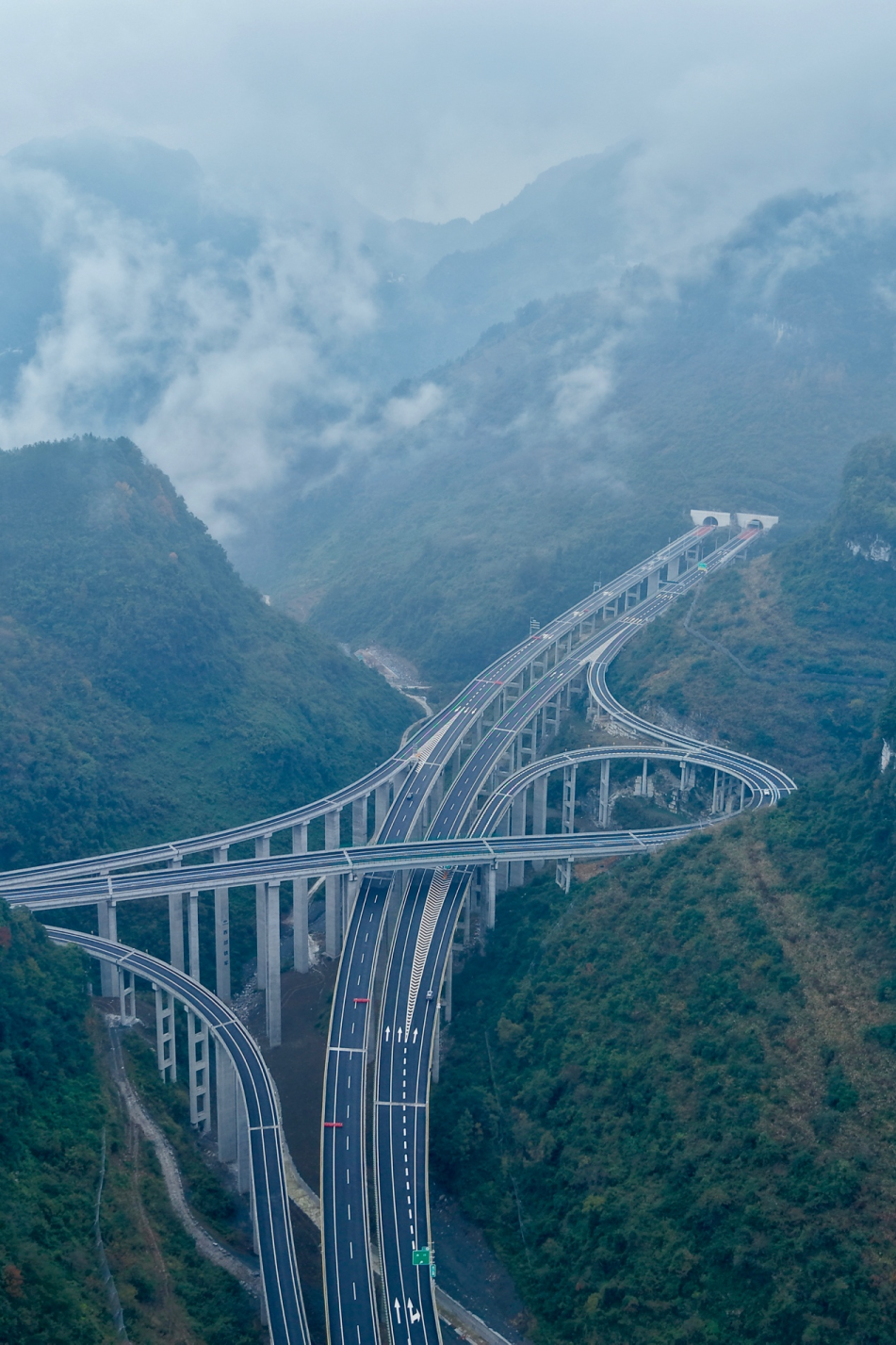
The Yuxiang Expressway (Chongqing–Hunan corridor) fully opens to traffic in Chongqing, linking major tourist destinations.
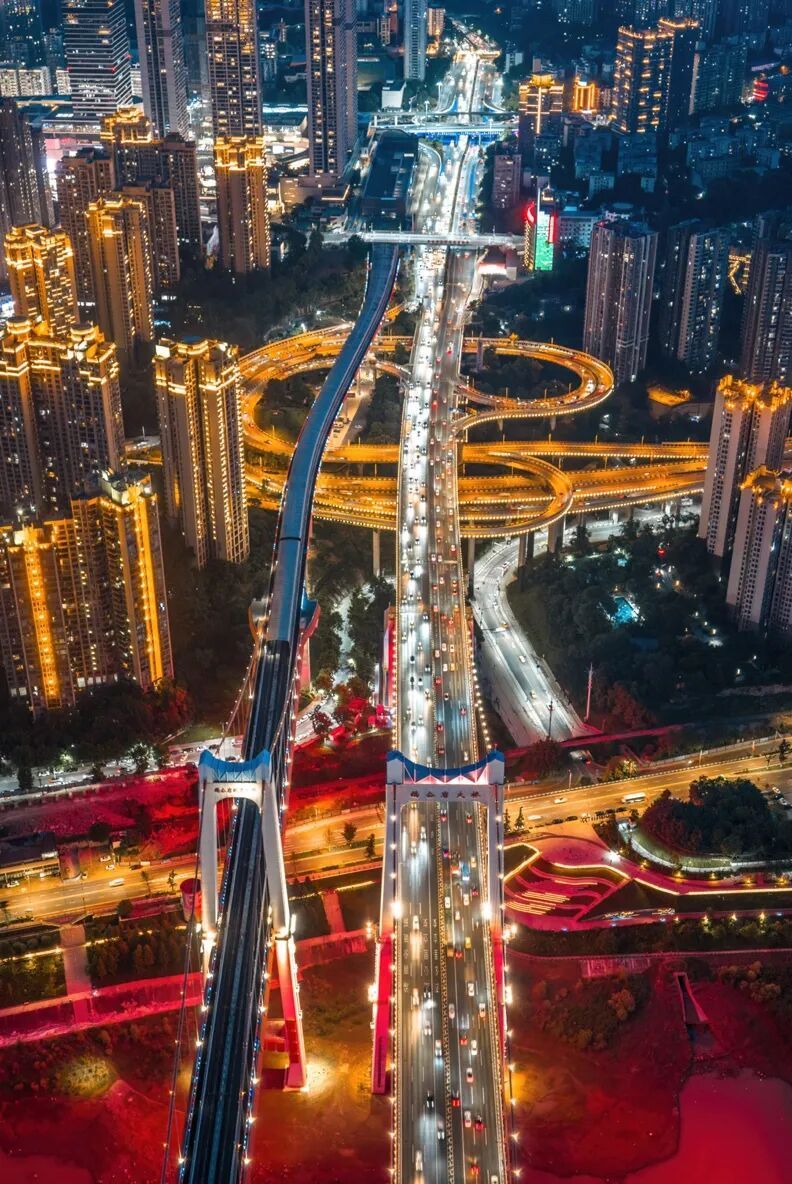
Egongyan Bridge and the Egongyan Rail Transit Bridge stand side by side in Chongqing, as road traffic and rail trains move in parallel, reflecting the dynamic rhythm of the mountain city’s urban transport network.
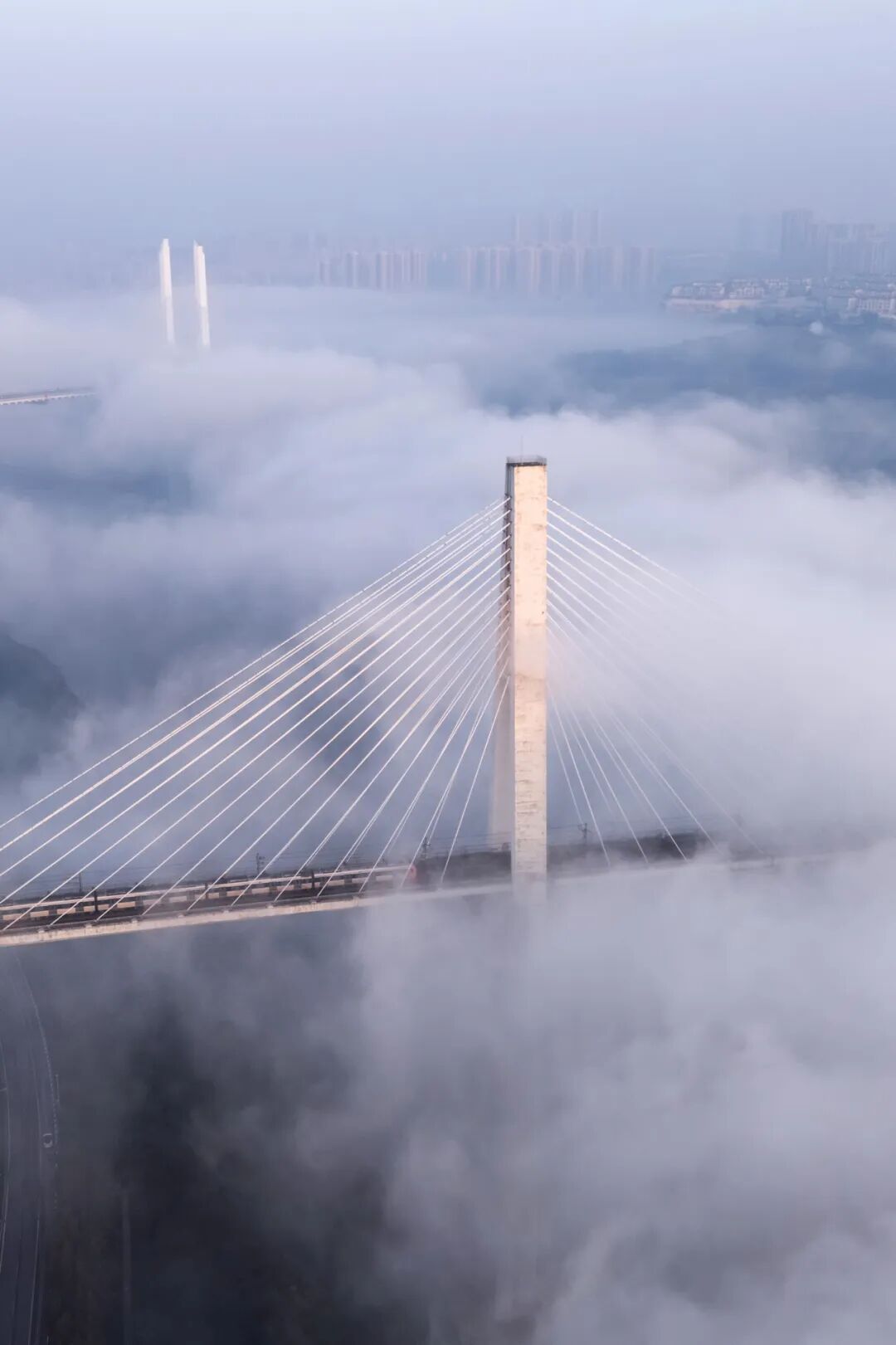
A train on Chongqing Rail Transit Line 6 crosses the Caijia Jialing River Bridge, shrouded in mist in Chongqing, turning an everyday commute into a moment of quiet urban poetry.
From tunnels cutting through mountains to bridges spanning rivers, and from inland waterways to air routes above the city, distance is constantly being redefined in Chongqing’s distinctive three-dimensional urban landscape. Between each departure and arrival, and along routes that continue to grow shorter, Chongqing is steadily expanding its connections to rivers and seas, reinforcing its role as a key inland transport and logistics hub in western China.
By continuing to browse our site you agree to our use of cookies, revised Privacy Policy and Terms of Use. You can change your cookie settings through your browser.
For any inquiries, please email service@ichongqing.info