
Chongqing - Chongqing’s cinema box office revenue surged to 1.157 billion yuan ($160 million) in 2025, a rise of 22.34% year-on-year, maintaining its position as China’s sixth-highest-grossing city. The city’s movie sector gained further momentum with 11 million yuan ($1.5 million) in audience subsidies, which helped drive box-office growth of over 50% across seven districts and counties.
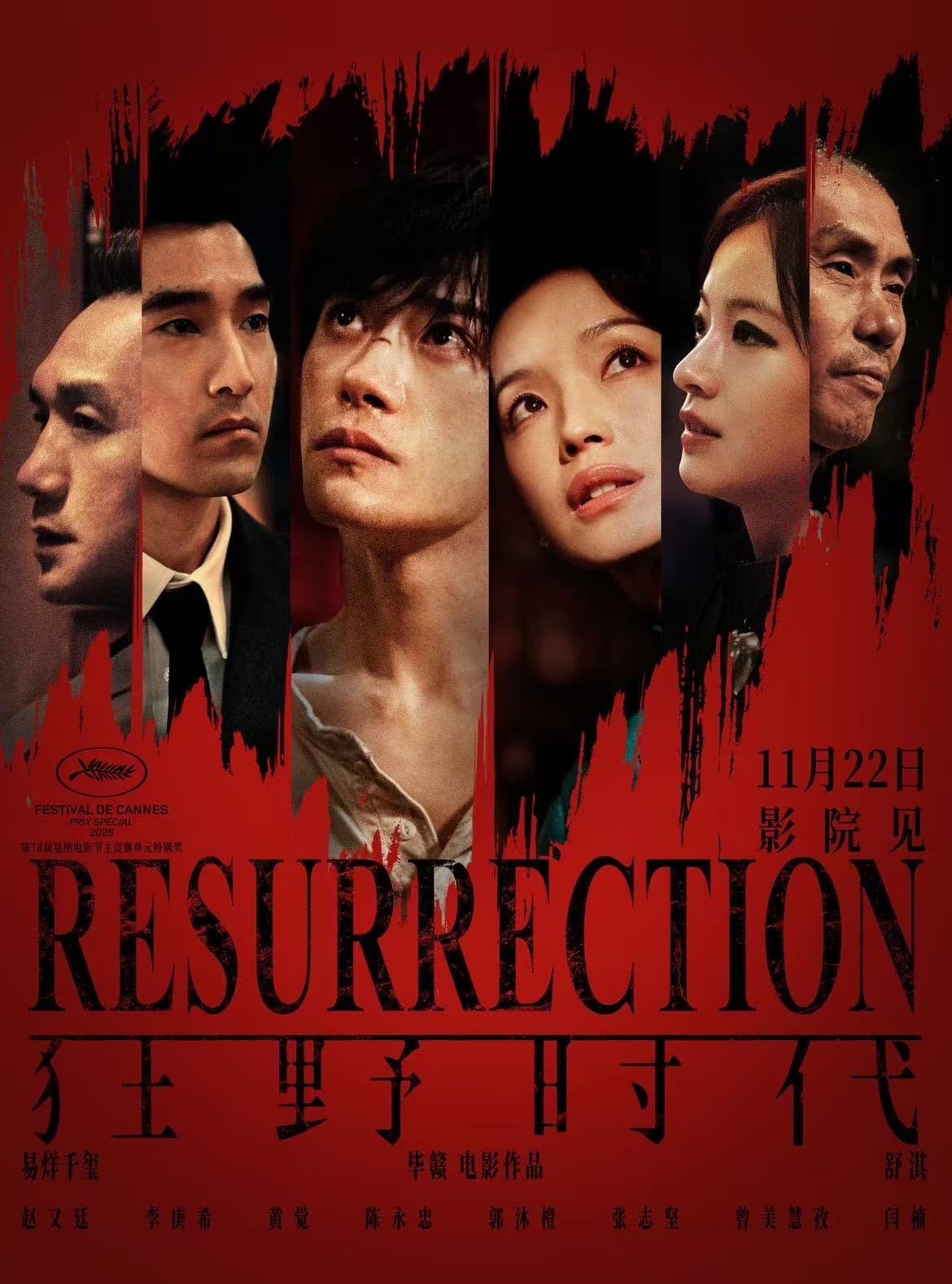
Resurrection. (Photo provided by interviewee)
The figures were highlighted at the 2026 Chongqing Film Industry Conference on January 21, where officials outlined plans to build the municipality into a "leading hub for sci-tech film production and artistic innovation in Western China." Moving forward, the focus will shift from foundational development to sustained expansion - spanning quality content, industrial upgrading, and consumption stimulus - to reinforce Chongqing’s role as a cultural and economic pacesetter.
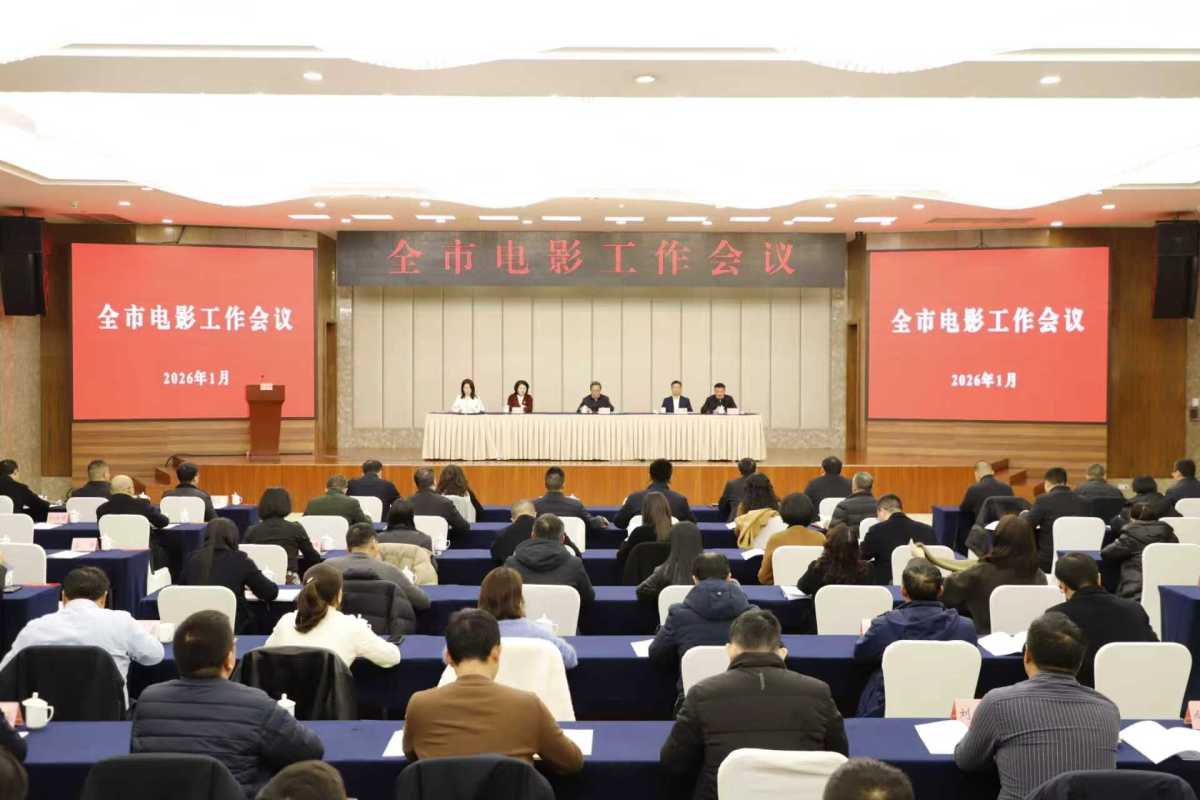
2026 Chongqing Film Industry Conference. (Photo provided by interviewee)
The past year marked several creative milestones for Chongqing. The film Resurrection earned a Special Award in the Main Competition at the Cannes Film Festival - the first top prize at an international Category A festival for a Chongqing-backed production. Two other local titles, The Lost Daughter and Struggle and Courage, were shortlisted for China’s Golden Rooster and Huabiao awards, respectively.
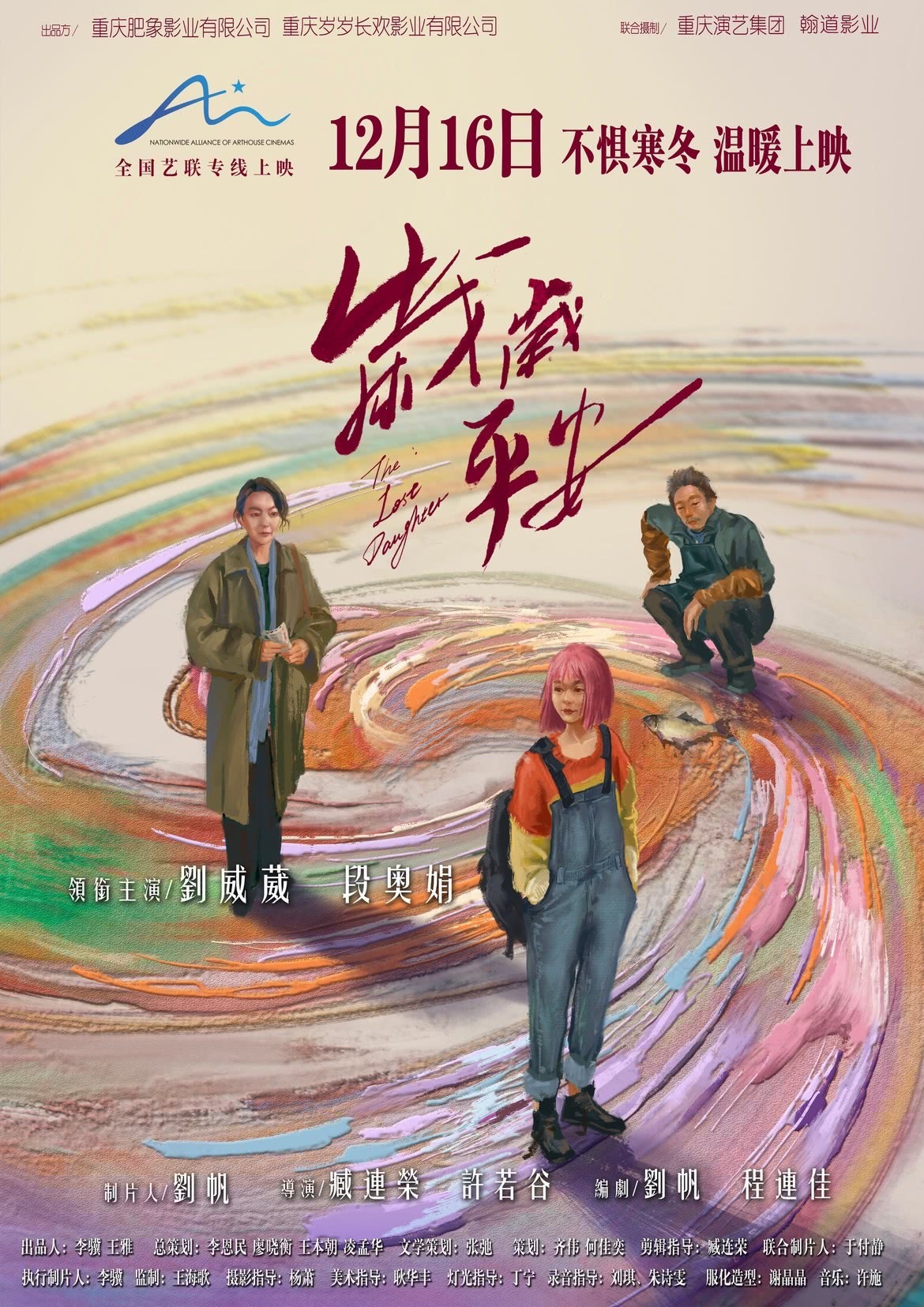
The Lost Daughter. (Photo provided by interviewee)
In total, 41 film projects were approved for production in 2025, up 47% from the previous year, while the number of finished films passing review rose three places nationally.
Building on that momentum, Chongqing will channel resources into several high-profile productions in 2026, including reality-driven projects slated to begin filming in the second half of the year. A "one-on-one" project guidance mechanism and full-cycle oversight will be introduced to maintain creative standards while allowing artistic flexibility.
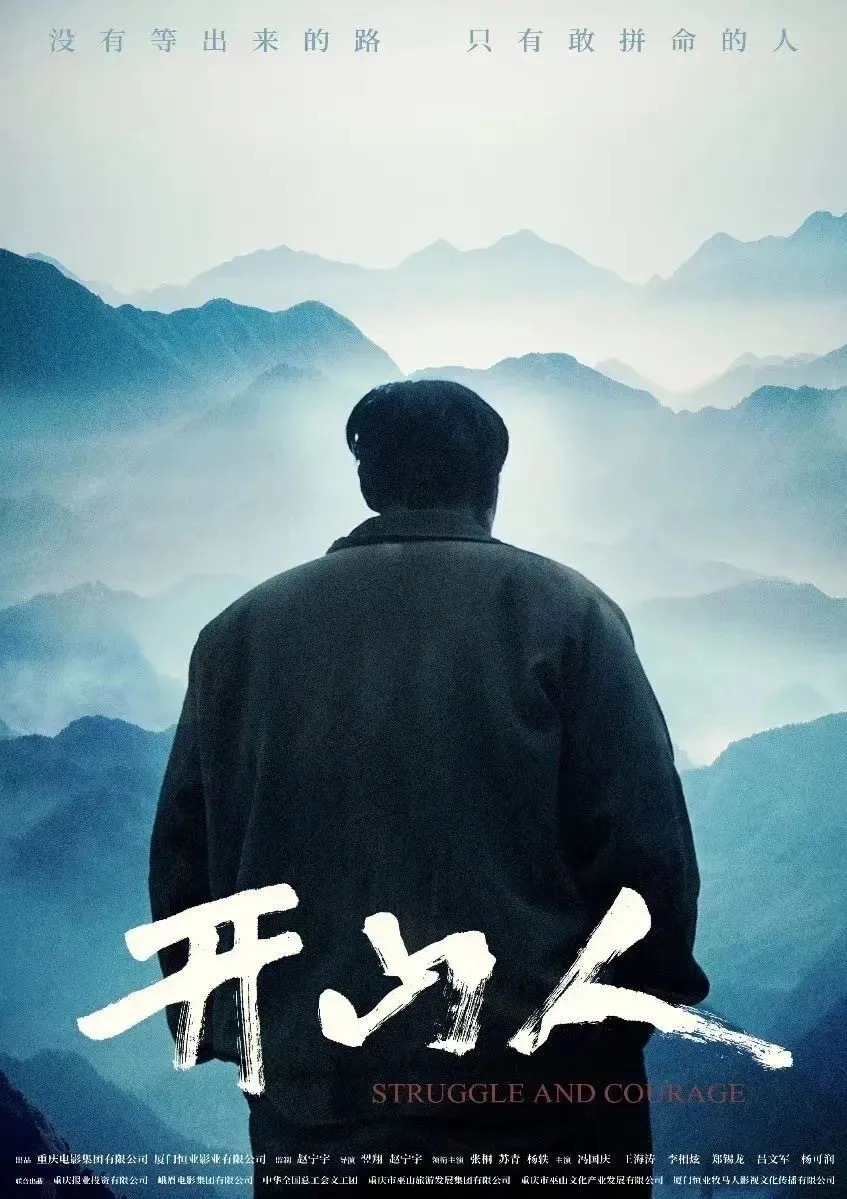
Struggle and Courage. (Photo provided by interviewee)
To further encourage innovation, the city plans to streamline production permits through a “one-click transfer” service and enhance on-location support for film crews through coordinated efforts across 13 municipal departments. A professional film criticism team will also be established to help guide creative trends and promote quality works.
Chongqing is betting big on technology to reshape its film industry. The Western China Sci-Tech Film City - a core project in the city's industrial strategy - now houses 30,000 square meters of advanced sound stages equipped with virtual production systems. It has secured over 200 patents and launched the country’s first national-level digital asset platform for sci-tech films.
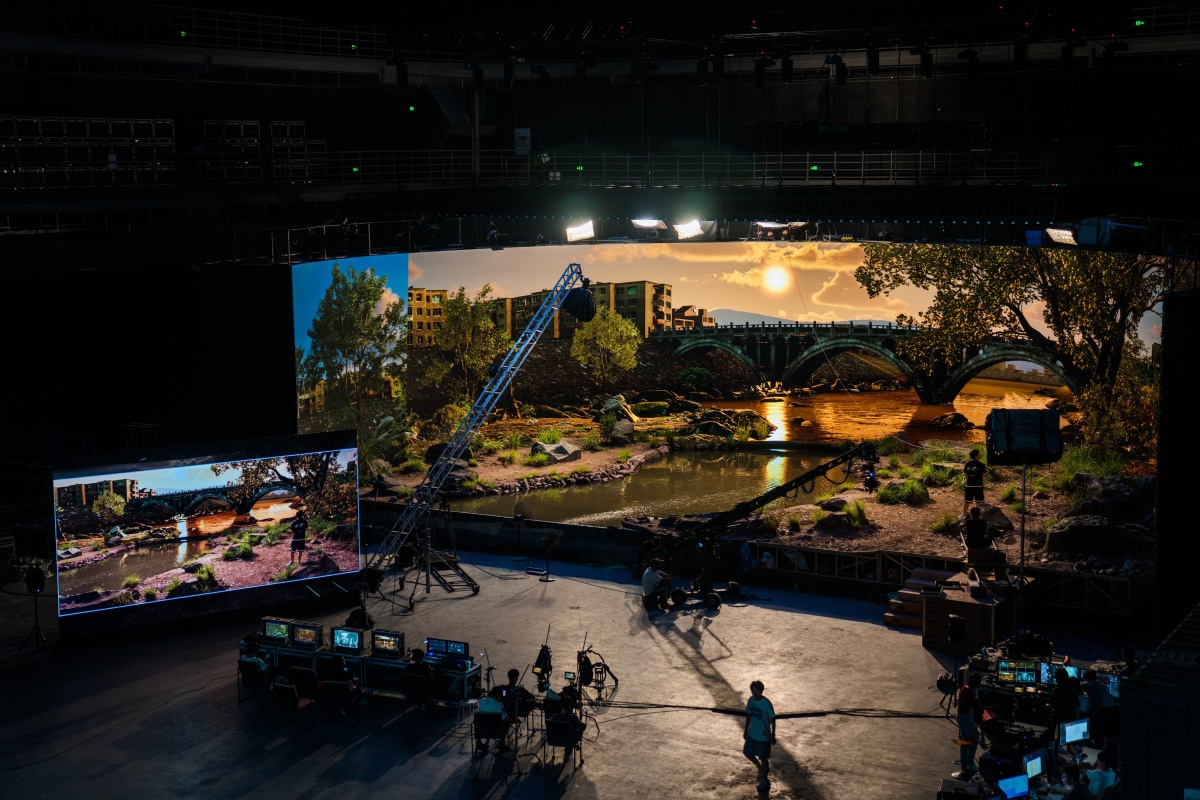
Yongchuan Technology Studio. (Photo provided by interviewee)
In 2025, more than 160 film-related enterprises set up operations in Chongqing, including industry heavyweights such as Maoyan Entertainment. The number of registered film production companies reached 443, a 77.2% increase from the start of the 14th Five-Year Plan period (2021–2025).
Going forward, the "one core, multiple points" plan will guide spatial development: the Western China Sci-Tech Film City will aim for national-level film base status, while districts such as Liangjiang New Area, Jiulongpo, and Shapingba will cultivate distinct niches, such as short-form content, reality cinema, and IP development.
To address talent and capital gaps, the city will work with local universities to train and retain young professionals, introduce flexible talent policies, and establish a dedicated film industry investment fund. Integration with emerging sectors, including AI, virtual reality, and digital asset development, will also be prioritized.
As one of 14 pilot regions selected for a national "film+" consumption initiative, Chongqing will roll out a three-year campaign to deepen cinema’s links with tourism, dining, retail, and night-time economies.
The 2025 Chongqing Film Consumption Season demonstrated the model’s potential: alongside box office growth, the city’s hosting of the Shanghai Cooperation Organization Film Festival generated an estimated 1.5 billion yuan ($207 million) in related spending and attracted 2.6 billion yuan ($359 million) in industry investment.

The stage of the Opening Ceremony of the Shanghai Cooperation Organization (SCO) Film Festival. (Photo/DENG Nan)
In 2026, theaters will be encouraged to upgrade to 4K, LED, and virtual reality screens while expanding into derivative sales, event hosting, and experiential offerings. "Follow a Film to Tour Chongqing" routes, film-themed markets, and partnerships with restaurants and retailers will further blend cinematic culture with daily consumption.
Notably, the upcoming animated feature The Fantastic Fox will incorporate Chongqing-inspired elements and merchandise, testing a localized model for film-based IP development.
Two major events - the Chongqing International Animation Film Week and the Wushan Art Film Festival - are also scheduled for 2026, reinforcing the city's profile as a destination for film businesses and audiences alike.
With the 2026 Spring Festival film season around the corner, Chongqing's industry players are gearing up for a strong start. Municipal film authorities say they will continue to prioritize quality content, industrial growth, and viewer engagement—using the big screen to project Chongqing’s cultural and economic story to wider audiences.
By continuing to browse our site you agree to our use of cookies, revised Privacy Policy and Terms of Use. You can change your cookie settings through your browser.
For any inquiries, please email service@ichongqing.info