
Chongqing - A folding fan small enough to fit in the palm of a hand, or a necklace with a fan-shaped pendant, may not be what first comes to mind when thinking of traditional Chinese crafts. But these are among the products being made in Chongqing, where craftspeople are finding new uses for skills passed down through generations.
The changes are particularly visible in Rongchang District, in western Chongqing. The techniques used to make Rongchang pottery, weave ramie cloth, and craft folding fans are all on China's national intangible cultural heritage list. Each has its own history and uses different materials and techniques, developed over centuries of everyday use and trade.
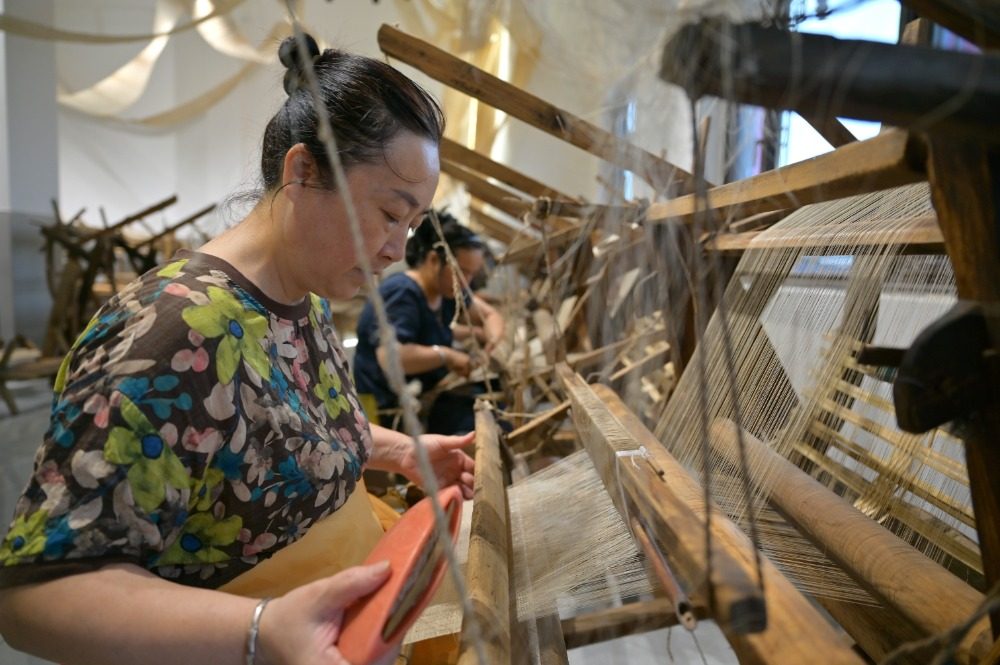
Rongchang pottery has been made for more than 800 years and was traditionally used for household vessels as well as decorative pieces. Ramie cloth, known as xiabu in Chinese, is a breathable fabric woven from ramie fibers and was once presented as tribute to China's imperial court. Rongchang folding fans also served as imperial tribute during the Ming Dynasty (1368–1644), although they were later produced and traded on a much wider scale.
Today, local makers are developing new designs, from decorative pottery to ramie clothing and household textiles, while folding fans are being adapted into accessories.
Li Daoliang, a Rongchang folding fan maker, has been experimenting with smaller, more portable designs. By combining traditional fan-making techniques with ramie fabric, he has created miniature fans and necklaces with fan-shaped pendants, giving the craft new uses beyond the traditional hand fan.
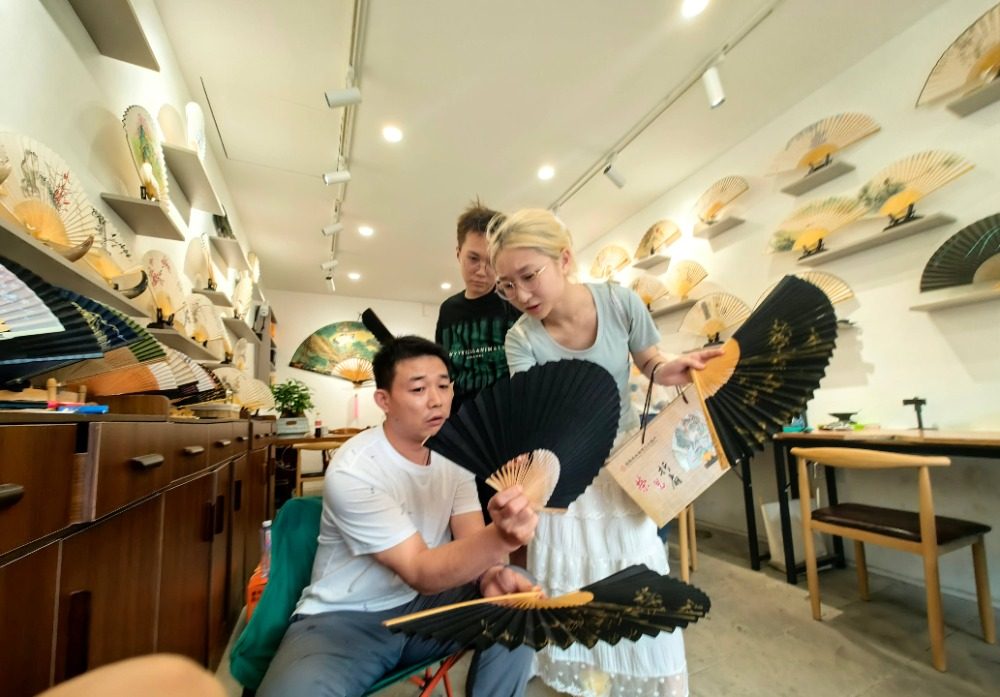
The new pieces build on an established tradition of using folding fans for more than cooling. Their painted surfaces and detailed craftsmanship have also made them objects of artistic appreciation.
Pottery makers are exploring new designs as well. The first Rongchang Pottery Creative Design Competition attracted 2,507 entries from 13 countries, bringing ideas from designers beyond the region to a craft with a history stretching back more than 800 years. The entries ranged from practical household products to more experimental designs, offering new possibilities for how Rongchang pottery might be used and presented.
Visitors can also try making some of these traditional products themselves. At Antao Town in Rongchang, pottery workshops and hands-on programs introduce visitors to shaping and decorating clay. Xiabu Town offers opportunities to learn about ramie weaving and see how the fabric is used in contemporary products.
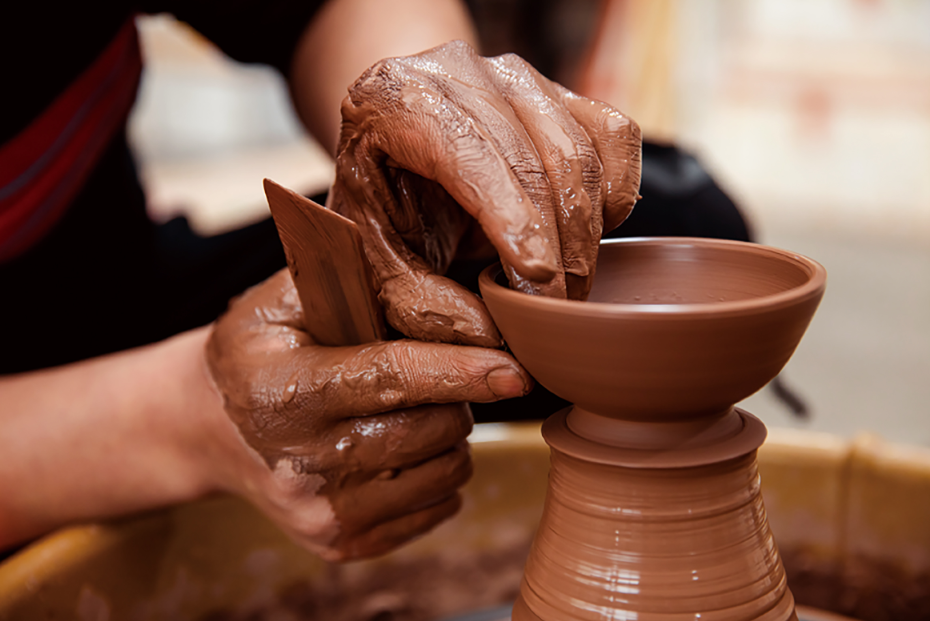
These activities are not limited to major holidays. Craft workshops, cultural displays, and educational programs have become regular parts of the local visitor experience, allowing people to see how much work goes into objects they might otherwise encounter only as finished products.
National guidelines issued earlier this year by six Chinese government departments, including the Ministry of Industry and Information Technology, seek to address weak branding, limited links with other industries and gaps in the skilled workforce across traditional industries. The guidelines encourage new product designs, closer ties with tourism and more opportunities for students to learn from experienced craftspeople.
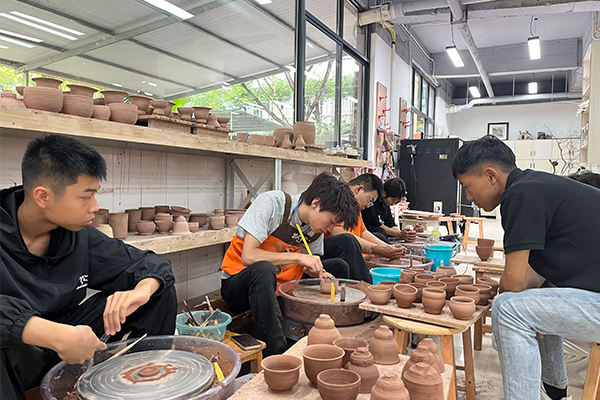
Beyond the workshops and shops, traditional crafts are also finding a place in Chongqing's classrooms. At Longmenhao Vocational School, more than 300 students have joined 10 clubs offering lessons in pottery, woodcarving, tie-dyeing and other traditional skills. The school has also incorporated some of these crafts into vocational courses, with 11 teachers and nine intangible cultural heritage practitioners involved in teaching.
In a boxwood carving class, Ke Changyi, a practitioner of a traditional Chongqing woodcarving technique, encourages students to look to nature for inspiration. Lotus pods and bamboo joints, for example, offer shapes and textures that can be worked into carved pieces.
Some pottery courses also use actual customer orders as part of their teaching. Students work on items such as teacups, ceramic tiles, and tableware, learning to meet design requirements and delivery deadlines as well as develop their making skills.
For Zhong Lihong, a second-year student in the school's art and design department, working on real orders has made the lessons more rewarding.
"I really like what I'm studying. Being able to make my own pieces and take real orders gives me a real sense of achievement," Zhong said while painting jasmine patterns on a teacup.
By continuing to browse our site you agree to our use of cookies, revised Privacy Policy and Terms of Use. You can change your cookie settings through your browser.
For any inquiries, please email service@ichongqing.info